
In This Article
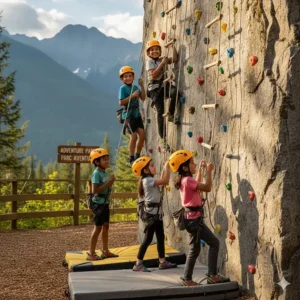
Picture this: it’s a Saturday morning in Calgary, and instead of hearing the familiar drone of cartoons, you’re watching your kids scale their very own climbing dome, muscles flexing, faces beaming with accomplishment. That’s the magic outdoor climbing equipment for kids brings to Canadian families.
I remember when my neighbour installed a kids climbing frame backyard setup last spring. Within weeks, their home became the neighbourhood gathering spot. Kids were developing strength, confidence, and social skills—all while parents enjoyed coffee knowing their children were engaged in healthy, supervised play rather than glued to screens.
The demand for outdoor climbing equipment for kids has surged across Canada since 2023, with Canadian families increasingly recognizing that physical activity isn’t just beneficial—it’s essential. According to Health Canada’s guidelines, children and youth aged 5 to 17 should get at least 60 minutes of moderate-to-vigorous intensity physical activity per day. Yet many struggle to meet this target, especially during harsh Canadian winters when outdoor play becomes challenging.
That’s where smart backyard investments come in. Whether you’re in urban Toronto, suburban Vancouver, or rural Saskatchewan, the right climbing equipment transforms your outdoor space into a year-round fitness hub. From budget-friendly ninja warrior obstacle courses to premium climbing domes supporting multiple children, this guide covers everything available on Amazon.ca in 2026.
You’ll discover which products withstand Canadian weather extremes, meet CSA safety certifications, offer the best value in CAD, and genuinely engage children for years. Let’s explore the options that’ll have your kids begging to go outside.
Quick Comparison Table: Top Outdoor Climbing Equipment
| Product | Type | Age Range | Price (CAD) | Weight Capacity | Key Feature |
|---|---|---|---|---|---|
| Zupapa 10FT Climbing Dome | Dome Climber | 3-10 years | $239-$289 | 1000 lbs | Hammock included |
| VEVOR Ninja Warrior Course | Obstacle Course | 5-12 years | $159-$199 | 500 lbs | 12 obstacles |
| Step2 Skyward Summit | Climbing Wall | 4-8 years | $449-$549 | 300 lbs | 4-sided rock wall |
| BlueWood Pikler Triangle | Montessori Climber | 1-6 years | $219-$279 | 190 lbs | Foldable design |
| Hapfan Climbing Dome | Dome Climber | 3-10 years | $229-$269 | 1000 lbs | Cargo net accessory |
| Little Tikes Campin’ & Climb | Wall & Tent | 3+ years | $329-$399 | 200 lbs | Indoor/outdoor |
| Gorilla Line Ninja Course | Slackline Kit | 5-12 years | $189-$239 | 880 lbs | 13 obstacles |
💬 Just one click – help others make better buying decisions too!😊
✨ Don’t Miss These Exclusive Deals!
🔍 Take your outdoor fun to the next level with these carefully selected products available in Canada. Click on any highlighted item to check current pricing and availability on Amazon.ca. These tools will help you create authentic active play experiences your family will love!
Top 7 Outdoor Climbing Equipment for Kids: Expert Analysis
1. Zupapa 10FT Climbing Dome with Hammock
When you’re seeking versatile outdoor climbing equipment for kids that offers exceptional value, the Zupapa 10FT Climbing Dome stands out as a Canadian bestseller. This geometric dome climber supports up to 1000 lbs, making it perfect for multiple children playing simultaneously—a crucial consideration for Canadian families hosting neighbourhood play dates.
Key Specifications:
- Diameter: 10 feet (305 cm)
- Weight capacity: 1000 lbs (454 kg)
- Age range: 3-10 years
- Material: Rust-resistant galvanized steel with powder coating
Price Range: $239-$289 CAD on Amazon.ca
What sets Zupapa apart is their 2026 upgraded decagonal design, which provides more climbing pathways than traditional hexagonal domes. Canadian buyers consistently praise its weather resistance—essential given our extreme temperature fluctuations from -40°C winters to +35°C summers. The included hammock accessory transforms the structure from active play equipment into a relaxation zone, extending its appeal beyond just climbing.
Assembly takes approximately 2-3 hours with two adults, and the provided instructions are clear. One Calgary reviewer noted: “Survived our brutal winter without any rust or structural issues. Kids use it year-round, even building snow forts around it in January.”
✅ Pros:
- Exceptional 1000 lb weight capacity
- Includes hammock for versatile play
- Rust-resistant coating withstands Canadian weather
❌ Cons:
- Requires significant yard space (minimum 13ft clearance recommended)
- Initial assembly can be time-consuming
Customer Feedback: Canadian purchasers rate this 4.5/5 stars, with particular appreciation for customer service responsiveness and replacement part availability within Canada.
2. VEVOR Ninja Warrior Obstacle Course
For families wanting to replicate the excitement of ninja warrior competitions, the VEVOR Ninja Warrior Obstacle Course delivers comprehensive challenge at a surprisingly accessible price point. This kit represents excellent value among kids obstacle course equipment options available in Canada.
Key Specifications:
- Line length: 50 feet × 2 (total 100 feet)
- Weight capacity: 500 lbs per line
- Includes: 12 weatherproof obstacles
- Setup: Between two trees or posts 10-45 feet apart
Price Range: $159-$199 CAD on Amazon.ca
The VEVOR system includes monkey bars, climbing rings, rope ladder, traverse rings, and various grip obstacles. What Canadian buyers particularly appreciate is the weatherproof construction—all metal components are galvanized to resist rust, while synthetic materials are UV-resistant. This matters enormously given Canada’s intense summer sun and moisture challenges.
Setup flexibility is another winning feature. Whether you have mature backyard trees in Ontario or need to install posts in Prairie provinces where trees are scarce, this system adapts. The ratchet mechanism ensures proper tension, and the included carrying bag makes it portable for cottage trips or camping adventures.
A Vancouver Island family reported: “We set this up between our Douglas firs in March. Eight months later, through rain and sun, it still looks brand new. Our 6 and 9-year-old use it daily.”
✅ Pros:
- Portable design with storage bag
- Weatherproof materials tested for Canadian climates
- Adjustable difficulty by spacing obstacles
❌ Cons:
- Requires mature trees or permanent posts
- Not suitable for toddlers under 5 years
Customer Feedback: Consistently rated 4.3/5 stars by Canadian buyers, with high marks for durability and value.
3. Step2 Skyward Summit Climbing Wall
When discussing outdoor climbing wall for children 6-8 specifically, the Step2 Skyward Summit represents the premium option in Canadian markets. This four-sided rock wall creates a genuine climbing experience that develops problem-solving skills alongside physical strength.
Key Specifications:
- Height: 6.5 feet (198 cm)
- Platform weight limit: 80 lbs
- Total weight capacity: 300 lbs
- Dimensions: 80″ H × 80″ W × 52″ D
Price Range: $449-$549 CAD on Amazon.ca
Step2’s reputation for quality plastic outdoor equipment translates perfectly to this climbing structure. The realistic rock texture isn’t just aesthetic—it provides authentic grip challenges that prepare children for actual rock climbing experiences. Many Canadian families use this as an introduction before enrolling kids in climbing gym programs.
The elevated lookout platform is particularly clever, offering a shaded pretend-play space that extends engagement beyond pure climbing. The mesh floor prevents falls while maintaining visibility for supervising adults. Given Canada’s emphasis on outdoor safety (CSA standards are among the world’s strictest), this attention to protective design resonates with Canadian parents.
A Toronto parent noted: “We installed this in April. By July, our daughter had progressed from basic climbing to planning routes and challenging herself with one-hand climbs. Her confidence has skyrocketed.”
✅ Pros:
- Four-sided access accommodates multiple climbers
- Realistic rock texture develops authentic climbing skills
- Shaded platform extends play possibilities
❌ Cons:
- Higher price point than basic climbers
- Plastic construction may show wear faster than metal
Customer Feedback: Canadian reviews average 4.4/5 stars, with particular praise for the structure’s stability and developmental benefits.
4. BlueWood 7-in-1 Pikler Triangle Set
Younger children need different challenges, and the BlueWood Pikler Triangle Set excels as children outdoor physical fitness toys for toddlers and preschoolers. Rooted in Montessori educational philosophy, this wooden climbing system grows with your child from infancy through early elementary years.
Key Specifications:
- Triangle height: 33.46″ (85 cm)
- Weight capacity: 190 lbs (86 kg)
- Age range: 1-6 years
- Materials: Natural wood with water-based paint
Price Range: $219-$279 CAD on Amazon.ca
The “7-in-1” designation refers to the multiple configuration possibilities: climbing triangle, smooth slide, rock climbing ramp, arch rocker, arch climber, tunnel space, and cushioned relaxation spot. This versatility is crucial for Canadian families where space comes at a premium, particularly in urban centres like Montreal, Vancouver, and Toronto.
What distinguishes BlueWood from competitors is the foldable design. When not in use (or when hosting adult gatherings), the triangle folds flat and stores against a wall or in a closet. This space-saving feature addresses one of Canadian parents’ top concerns about large play equipment.
The wood construction also aligns with growing Canadian preferences for natural, sustainable toys. Hand-polished finishes eliminate splinter risks, while the water-based paint is non-toxic—important for the oral exploration phase toddlers inevitably go through.
A Saskatchewan family shared: “We live in a small bungalow. This folds away perfectly, yet provides incredible developmental benefits. Our 2-year-old’s balance and confidence have improved dramatically.”
✅ Pros:
- Foldable design ideal for space-constrained Canadian homes
- Natural wood construction appeals to eco-conscious families
- Grows with children from 1-6 years
❌ Cons:
- Lower weight capacity than metal structures
- Indoor use primarily (wood weathering concerns)
Customer Feedback: Rated 4.6/5 stars by Canadian purchasers, with special appreciation for quality craftsmanship and design aesthetics.
5. Hapfan 10FT Climbing Dome with Cargo Net
The Hapfan Climbing Dome represents the sweet spot between affordability and features in the kids climbing frame backyard category. At a competitive price point, it includes premium accessories that many competitors charge extra for.
Key Specifications:
- Diameter: 10 feet (305 cm)
- Weight capacity: 1000 lbs (454 kg)
- Includes: Cargo net and hammock
- Material: Anti-rust coated steel
Price Range: $229-$269 CAD on Amazon.ca
Hapfan’s standout feature is the included cargo climbing net—a premium accessory that develops different muscle groups than standard rung climbing. Canadian occupational therapists often recommend varied climbing challenges to develop comprehensive motor skills, making this inclusion particularly valuable.
The assembly system uses colour-coded components, significantly reducing installation complexity. Multiple Canadian reviewers mentioned completing assembly in under 90 minutes with two people—notably faster than competing products. The anti-rust coating has proven effective even in coastal British Columbia environments where salt air accelerates metal degradation.
Weather resilience matters enormously in Canada. From humid Maritime provinces to dry Prairie regions, this dome’s protective coating adapts well. The powder-coated finish also stays relatively cool in summer sun, addressing a common concern with metal playground equipment.
An Edmonton reviewer reported: “Minus 30°C to plus 30°C—this dome has handled everything. The cargo net is our kids’ favourite feature, providing a completely different climbing experience.”
✅ Pros:
- Premium cargo net included at competitive price
- Colour-coded assembly simplifies installation
- Proven weather resistance across Canadian climates
❌ Cons:
- Cargo net may show wear faster than metal components
- Requires annual safety inspection and tightening
Customer Feedback: Canadian buyers rate this 4.4/5 stars, consistently noting excellent value and customer service.
6. Little Tikes Campin’ & Climb Wall
Bridging indoor and outdoor play, the Little Tikes Campin’ & Climb Wall offers unique versatility that resonates with Canadian families facing our lengthy winters. When weather permits outdoor use, it’s a climbing wall; when winter arrives, it transitions indoors as an imaginative play structure.
Key Specifications:
- Climbing wall height: 4 feet (122 cm)
- Weight capacity: 200 lbs (91 kg)
- Age range: 3+ years
- Design: Includes tent component
Price Range: $329-$399 CAD on Amazon.ca
Little Tikes’ reputation for durable, weather-resistant plastic construction is well-deserved. This climbing wall withstands Canada’s freeze-thaw cycles without cracking—a common failure point in lower-quality plastic products. The integrated tent design sparks imaginative play beyond physical climbing, addressing child development experts’ recommendations for varied play types.
What Canadian parents particularly appreciate is the dual-season functionality. From May through October, it’s a backyard climbing adventure. From November through April, it moves indoors (basements, playrooms, or garages) maintaining year-round engagement. This extends the return on investment significantly compared to outdoor-only equipment.
The compact footprint suits smaller Canadian urban yards while still providing meaningful physical challenge. Assembly requires no tools beyond a screwdriver, and the structure disassembles for seasonal moves without damage.
A Winnipeg parent shared: “Game-changer for Canadian families. Outside all summer, basement climber all winter. Our active 4-year-old stays engaged regardless of weather.”
✅ Pros:
- Indoor/outdoor versatility extends seasonal use
- Tent component adds imaginative play dimension
- Little Tikes quality proven across Canadian climates
❌ Cons:
- Lower height than dedicated outdoor climbers
- Plastic may fade with prolonged UV exposure
Customer Feedback: Rated 4.5/5 stars by Canadian families, with high marks for dual-season functionality.
7. Gorilla Line Ninja Warrior 13-Obstacle Kit
For serious kids adventure obstacle course enthusiasts, the Gorilla Line represents the premium tier. This comprehensive system includes 13 different obstacles—the largest standard kit available on Amazon.ca—creating genuine athletic challenges that grow with children’s abilities.
Key Specifications:
- Line length: 50 feet × 2 (100 feet total)
- Weight capacity: 880 lbs (400 kg)
- Includes: 13 weatherproof obstacles + bottom safety line
- Age range: 5-12 years
Price Range: $189-$239 CAD on Amazon.ca
What distinguishes Gorilla Line from budget alternatives is the bottom safety line—a crucial feature that prevents complete falls if grip fails. This addresses one of Canadian parents’ primary safety concerns with suspended obstacle courses. The 880 lb capacity is also industry-leading, ensuring longevity even as children grow and add friends.
The 13-obstacle assortment includes traverse rings, monkey fist balls, climbing rope ladder, gymnastic rings, and various grip challenges. This variety is pedagogically important—child development research shows diverse physical challenges build comprehensive motor skills better than repetitive single-movement activities.
Canadian reviewers consistently praise the obstacle quality. Weatherproof materials include UV-resistant synthetic fabrics and rust-proof hardware, both essential given Canada’s intense summer sunlight and moisture exposure. Several Quebec families reported three-season outdoor use (spring through fall) with storage during winter months.
A Halifax family noted: “The bottom safety line gives us peace of mind our kids won’t fall six feet to the ground. Quality exceeds expectations—this will last through multiple children.”
✅ Pros:
- Bottom safety line reduces fall injury risk
- 13 obstacles provide comprehensive physical challenges
- Industry-leading 880 lb weight capacity
❌ Cons:
- Premium pricing compared to basic ninja courses
- Requires considerable tree spacing or permanent posts
Customer Feedback: Canadian buyers rate this 4.7/5 stars—the highest among ninja warrior products—with particular appreciation for safety features and obstacle variety.
Understanding Canadian Safety Certifications for Climbing Equipment
When investing in outdoor climbing equipment for kids, understanding climbing frame safety certification becomes paramount for Canadian families. Unlike the United States, which primarily uses ASTM standards, Canada follows the CSA (Canadian Standards Association) certification system, specifically CAN/CSA-Z614, which provides requirements for public-use playground equipment intended for use by children aged 18 months to 12 years.
What CSA Z614 Certification Means
The CSA Z614 standard addresses multiple safety dimensions: fall heights, protective surfacing, entrapment hazards, equipment spacing, and structural integrity. While this certification applies primarily to public playground equipment, responsible manufacturers of backyard climbing equipment design their products to meet or exceed these standards.
Key CSA Z614 considerations for backyard equipment include:
Fall Zone Requirements: Equipment must have adequate clearance zones based on fall height. For a 6-foot climbing structure, this typically means a 9-foot radius of impact-absorbing surface.
Entrapment Prevention: All openings must either allow a child’s entire body to pass through or be small enough that no body part can enter. This prevents head, neck, or limb entrapment—one of the most serious playground hazards.
Structural Integrity: Components must withstand specified load testing without failure. This is why quality climbing domes rate capacities of 800-1000 lbs despite being designed for children.
Material Specifications: Materials must resist degradation from UV exposure, moisture, temperature extremes, and normal wear. This matters enormously in Canadian climates where equipment faces -40°C winters and +35°C summers.
ASTM vs. CSA: What Canadian Families Need to Know
Many products available on Amazon.ca carry ASTM certification (American standard) rather than CSA. While these standards overlap significantly, products certified to ASTM F1487 meet similar safety requirements to CSA Z614. For backyard residential use, ASTM-certified equipment is generally acceptable, though CSA certification indicates explicit Canadian compliance.
IPEMA Third-Party Certification
Look for IPEMA (International Play Equipment Manufacturers Association) certification as well. IPEMA provides independent third-party verification that equipment meets safety standards. This is more reliable than manufacturer self-certification.
Practical Safety Recommendations for Canadian Parents
Beyond certifications, implement these safety practices:
- Surface Selection: Install impact-absorbing material under and around equipment. Options include rubber mulch (works well in Canadian climates), pea gravel, or engineered wood fiber. Grass and dirt are NOT adequate impact protection for falls over 18 inches.
- Regular Inspection: CSA Z614 standards require daily visual inspections and monthly documented inspections for public playgrounds. Apply similar diligence to backyard equipment—check for loose bolts, worn components, and rust formation monthly.
- Seasonal Maintenance: Spring and fall inspections are crucial in Canada. Winter freeze-thaw cycles can loosen connections. Summer heat can accelerate wear on plastic components.
- Age-Appropriate Use: Respect manufacturer age recommendations. A 3-year-old attempting equipment designed for 8-year-olds faces unnecessary injury risk.
- Supervision: No safety standard replaces adult supervision. The Public Health Agency of Canada emphasizes active supervision, particularly for children under 5.
Key Features to Consider When Buying Climbing Equipment
Age Appropriateness and Developmental Stages
Children’s physical capabilities vary dramatically across developmental stages. A 2-year-old lacks the grip strength and coordination for suspended obstacle courses, while an 8-year-old finds simple climbing triangles unchallenging.
Toddlers (1-3 years): Focus on low-height climbing with multiple stable handholds. Pikler triangles, low climbing ramps, and sturdy step structures work well. Maximum safe fall height is 18-24 inches.
Preschoolers (3-5 years): Can handle more complex challenges like small climbing domes (6-7 feet diameter), basic ninja obstacle accessories, and low climbing walls. Fall height tolerance increases to 4-5 feet with proper surfacing.
Early Elementary (6-8 years): Ready for full-sized climbing domes (10 feet diameter), complete ninja warrior courses, and taller climbing walls. Can safely navigate equipment with 6-7 foot fall heights.
Older Children (9-12 years): Seek genuine athletic challenges. Look for equipment with adjustable difficulty, such as reconfigurable ninja courses or climbing walls with removable holds that allow route changes.
Weather Resistance and Canadian Climate Considerations
Canadian weather is particularly harsh on outdoor equipment. Temperature extremes, freeze-thaw cycles, UV exposure, and moisture all accelerate deterioration.
Metal Components: Galvanized steel with powder coating offers best weather resistance. Stainless steel fasteners prevent rust. Avoid bare metal or simple paint coatings—they’ll rust within one Canadian winter.
Plastic Components: UV-stabilized plastics resist sun fading and brittleness. Lower-quality plastics crack during winter cold snaps. Little Tikes and Step2 use proprietary plastic formulations proven across Canadian climates.
Rope/Fabric Components: Weatherproof synthetic materials (polypropylene, nylon) resist moisture and UV damage better than natural fibers. Look for replaceable components—ropes wear faster than structural elements.
Wood Components: If choosing wood (Pikler triangles), opt for naturally weather-resistant species like cedar. Ensure protective finishes are reapplied seasonally if using outdoors.
Space Requirements and Yard Considerations
Canadian yards vary from sprawling rural properties to compact urban backyards. Measure carefully before purchasing.
Footprint vs. Safety Zone: A 10-foot climbing dome needs significantly more than 10 feet of space. Add the recommended fall zone clearance: typically the equipment height in all directions. A 6-foot tall structure needs a 15-foot diameter clear area minimum.
Tree Availability for Ninja Courses: Slackline-style obstacle courses require two anchor points 15-45 feet apart. Urban yards may lack suitable trees, necessitating permanent post installation.
Ground Slope: Many products require relatively level ground. Significant slopes complicate installation and create safety issues. Consider leveling costs in overall budget.
Underground Obstacles: Before digging post holes, ensure you’re not hitting utility lines, septic systems, or irrigation. Canada’s “Click Before You Dig” service (available province-by-province) prevents costly mistakes.
Assembly Complexity and Time Investment
Product complexity varies dramatically. Some assemble in under an hour; others require 3-4 hours with two adults.
Tool Requirements: Most climbing equipment needs basic tools: socket wrench, screwdriver, rubber mallet. Some require specialized equipment like post-hole diggers for ninja course anchors.
Person Requirements: Dome climbers typically need two adults for safe assembly. One person physically cannot manage large panels while fastening connections.
Instruction Quality: Read Amazon reviews specifically mentioning instructions. Poor documentation turns straightforward assembly into frustrating ordeals. Top manufacturers provide video supplements.
Professional Installation: Some Canadian families opt for professional assembly, particularly for complex installations. Costs range $100-$300 CAD depending on product complexity.
Value Proposition: Cost per Year of Use
Initial purchase price tells only part of the story. Calculate cost per year of actual use.
Longevity Factors: Quality construction with weather-resistant materials lasts 5-10 years in Canadian conditions. Budget options may need replacement within 2-3 years, effectively costing more long-term.
Age Range: Equipment usable from ages 3-10 (seven years) provides better value than products with narrow age ranges. Look for adjustable difficulty levels.
Multi-Child Use: If planning additional children or hosting frequent playdates, higher weight capacities and durability justify premium pricing.
Resale Value: Quality equipment maintains resale value. Step2 and Little Tikes products command 40-60% of original price on Canadian buy-and-sell platforms.
Setting Up Your Backyard Climbing Zone: Installation Best Practices
Choosing the Optimal Location
Sun Exposure Considerations: Moderate shade is ideal. Full sun makes metal components too hot to touch safely during summer afternoons (metal can reach 60°C+ in direct sun). Full shade encourages moss growth and slower drying after rain.
Drainage Assessment: Avoid low spots where water pools. Standing water creates slip hazards and accelerates rust/rot. If drainage is poor, consider French drain installation or raised equipment platforms.
Visibility from House: Position equipment within clear sight lines from main living areas. This enables supervision while parents prepare meals, work from home, or manage household tasks.
Proximity to Other Structures: Maintain clearance from fences, sheds, trees, and other playground equipment. CSA standards require 6 feet minimum between separate play structures.
Ground Surface Preparation
Grass Removal and Leveling: Remove sod in equipment footprint plus fall zone. Level the ground—slopes create instability and drainage issues.
Impact-Absorbing Surfacing: Critical for safety. Options include:
- Rubber Mulch: Excellent for Canadian climates. Doesn’t freeze solid, drains well, lasts 10+ years. Cost: $8-12 CAD per cubic foot.
- Engineered Wood Fiber: Good absorption, natural appearance. Requires replenishment every 2-3 years as it decomposes. Cost: $4-6 CAD per cubic foot.
- Pea Gravel: Affordable, good drainage. Can scatter outside play area. Cost: $40-60 CAD per cubic yard.
- Pour-in-Place Rubber: Premium option (professionally installed). Excellent absorption, ADA accessible, minimal maintenance. Cost: $25-40 CAD per square foot.
Depth Requirements: Minimum 6 inches for equipment under 4 feet high, 9-12 inches for taller structures.
Edge Containment: Install borders (landscape timber, rubber edging) to contain loose-fill surfacing materials.
Anchoring and Stability
Concrete Footings: Permanent installations (climbing walls, large domes) benefit from concrete footings below frost line (48+ inches in most Canadian regions).
Ground Anchors: Many domes use spiral ground anchors—metal stakes screwed into soil. Effective in most soil types but may need replacement after severe frost heave.
Weight Distribution: Some products use their own weight for stability. These work well on level, firm ground but may shift during freeze-thaw cycles.
Wind Considerations: Prairie provinces face strong winds. Additional anchoring beyond manufacturer minimums often proves necessary. Consider wind screens (fences, hedges) for exposed locations.
Seasonal Considerations for Canadian Climates
Spring Setup: Inspect winter-stored equipment thoroughly before reinstallation. Tighten all connections loosened by freeze-thaw cycles. Replace worn components.
Summer Maintenance: Apply sunscreen to exposed metal to reduce UV coating degradation. Check rope/strap tension weekly—summer heat causes material expansion.
Fall Preparation: Drain any water-collecting areas. Apply rust-preventive spray to metal connections. Remove fabric components if storing equipment through winter.
Winter Options: Some families leave metal domes erected year-round, creating winter climbing challenges with proper snow clearance. Others disassemble and store fabric/rope components.
Benefits of Climbing Activities for Child Development
Physical Development and Motor Skills
According to Canada’s Physical Activity Guidelines, for children, climbing and swinging on playground equipment represents muscle-strengthening activities that are essential for development. Research shows these complex movements engage nearly every muscle group, building functional strength that translates to improved performance in all physical activities.
Gross Motor Skills: Climbing requires coordinated large muscle movements—legs pushing, arms pulling, core stabilizing. These skills form the foundation for sports participation, dance, and everyday activities like carrying backpacks or climbing stairs.
Fine Motor Skills: Gripping holds, manipulating ropes, and grasping rungs develop hand strength and dexterity. Occupational therapists often recommend climbing activities to address fine motor delays.
Proprioception: Understanding body position in space develops through climbing challenges. Children learn how far they can reach, when they’re off-balance, and how to adjust movements—skills crucial for injury prevention.
Balance and Coordination: Navigating climbing structures requires constant balance adjustments. The vestibular system (inner ear balance mechanism) strengthens through these challenges, improving overall coordination.
Cognitive Benefits and Problem-Solving
Climbing isn’t mindless physical activity—it requires constant decision-making. “Can I reach that handhold? Which route is safest? Should I go over or around?”
Spatial Reasoning: Planning climbing routes develops spatial thinking skills. Research links this to improved mathematics performance, particularly geometry and algebra.
Risk Assessment: Learning to evaluate risks in controlled environments builds judgment skills transferable to other life situations. “Is this too high for my skill level? Do I need help?”
Executive Function: Climbing requires planning (route selection), working memory (remembering the sequence of moves), and self-regulation (managing fear or frustration). These executive function skills predict academic success.
Creativity: Open-ended climbing structures allow imaginative play. That dome becomes a castle, spaceship, or mountain peak depending on the day’s adventure.
Emotional and Social Development
Confidence Building: Successfully conquering climbing challenges builds self-efficacy. “I did something hard!” translates to increased willingness to attempt other challenges. Research documented in Wikipedia’s playground article demonstrates that children’s self-esteem is enhanced through encouragement of physical mastery and self-development, with playgrounds providing ideal opportunities for children to master physical skills like swinging, balancing, and climbing.
Resilience: Falling and trying again teaches persistence. Children learn that failure is temporary and improvement comes with practice.
Fear Management: Climbing introduces manageable fear (falling from height) in controlled conditions. Learning to overcome appropriate fears builds emotional regulation skills.
Social Interaction: Multi-child climbing equipment encourages cooperation, turn-taking, and communication. “You go first. I’ll wait here.”
Independence: Unlike many structured activities, climbing allows autonomous goal-setting. Children choose their challenges rather than following adult instructions exclusively.
Long-Term Health Implications
Health Canada research confirms that making regular physical activity a habit at an early age provides lifelong benefits, with adults who were active children able to carry out daily tasks more easily and enjoying lower rates of bone loss associated with osteoporosis.
Children who aren’t active enough are at higher risk of developing chronic diseases like type 2 diabetes, high blood pressure, high cholesterol, and other cardiovascular illnesses. Currently, only about 37.6% of Canadian children aged 5 to 17 meet the recommended 60 minutes of daily moderate-to-vigorous physical activity.
Backyard climbing equipment removes common barriers to activity: transportation to facilities, program costs, scheduling conflicts. The equipment is simply there, inviting use whenever energy needs release.
Maintenance and Safety Inspections: Keeping Equipment Safe
Monthly Safety Inspection Checklist
Following CSA guidelines, conduct systematic monthly inspections:
Structural Components:
- Check all bolts and connections for tightness (use appropriate wrench sizes)
- Inspect welds and joints for cracks or separation
- Examine legs/supports for rust, bending, or damage
- Verify anchoring systems remain secure
Moving Parts:
- Test swing seats and chains for wear
- Examine ropes for fraying (replace if 10%+ fibers damaged)
- Check pulley mechanisms for smooth operation
- Verify all carabiners and connecting hardware functions properly
Surfacing Materials:
- Measure depth in multiple locations (should maintain minimum depth)
- Remove debris, broken glass, or sharp objects
- Check for displaced material (redistribute as needed)
- Assess drainage (address standing water issues)
General Hazards:
- Remove any foreign objects (toys, tools, garbage)
- Check for sharp edges or protrusions
- Verify all covers over bolt ends remain secure
- Examine plastic components for cracks or brittleness
- Look for insect nests or animal damage
Seasonal Maintenance Tasks
Spring (April-May):
- Comprehensive inspection after winter (focus on freeze-thaw damage)
- Tighten all connections loosened by temperature cycling
- Replace any cracked or damaged components
- Refresh protective surfacing material
- Apply rust-preventive coating to vulnerable metal areas
- Check and reset ground anchors if frost heave occurred
Summer (June-August):
- Weekly shade assessment (move shade structures as sun angle changes)
- Check rope/strap tension weekly (summer heat causes expansion)
- Monitor wood for splitting or warping
- Ensure adequate hydration available nearby during play
- Consider reflective coating on metal to reduce heat absorption
Fall (September-October):
- Remove leaves and organic debris that trap moisture
- Apply waterproofing to wood components if applicable
- Drain any water-collecting features
- Store removable fabric/rope components if not winter-rated
- Document current condition with photos
Winter (November-March):
- Clear snow accumulation that adds structural load
- Monitor ice formation (creates slip hazards and weight stress)
- Check quarterly even if equipment covered/stored
- Plan replacement parts orders for spring installation
Common Wear Patterns and Solutions
Rope/Strap Fraying: Normal with heavy use. Replace when 10%+ of fibers show damage. Most manufacturers sell replacement ropes; generic alternatives work if specifications match.
Bolt Loosening: Freeze-thaw cycles and vibration from play naturally loosen connections. Thread-locking compound helps but still requires periodic tightening.
Paint/Coating Chips: UV exposure and weather gradually degrades protective coatings. Touch up immediately—exposed metal rusts rapidly in Canadian moisture.
Plastic Fading: UV exposure fades colours over time. This is cosmetic rather than structural unless accompanied by brittleness or cracking.
Ground Settling: Initial settling is normal in first year. Add surfacing material to restore proper depth. Significant settling after year one indicates drainage problems.
When to Replace vs. Repair
Replace Immediately:
- Structural damage to load-bearing components (bent legs, cracked welds)
- Extensive rust causing material thinning (more than surface rust)
- Plastic with multiple cracks or brittleness
- Ropes with 25%+ fiber damage
- Missing or broken safety features (handrails, barriers)
Repair Acceptable:
- Surface rust (wire brush and repaint)
- Single damaged component on modular systems
- Loose connections (tightening)
- Minor wood splitting (fill and seal)
- Cosmetic damage without structural impact
Professional Assessment Needed:
- Uncertainty about damage severity
- Structural modifications considered
- Equipment 10+ years old showing multiple wear signs
- After extreme weather events (high winds, heavy snow loads)
Frequently Asked Questions About Outdoor Climbing Equipment
❓ What age is appropriate to start using outdoor climbing equipment in Canada?
❓ How much does outdoor climbing equipment typically cost in Canada?
❓ Do I need special surfacing under climbing equipment in my Canadian backyard?
❓ Can climbing equipment withstand Canadian winters, or should I disassemble it?
❓ What safety certifications should I look for when buying climbing equipment in Canada?
Conclusion: Making the Right Choice for Your Canadian Family
Selecting the best outdoor climbing equipment for kids ultimately depends on your unique situation—yard size, children’s ages, climate zone, and budget. However, several clear winners emerge from this analysis.
For families with multiple young children (ages 3-8), the Zupapa or Hapfan climbing domes offer exceptional value. Their 1000 lb capacity accommodates several simultaneous climbers, while weather-resistant construction withstands Canadian extremes. The included hammocks extend engagement beyond pure climbing, creating relaxation zones that keep kids outdoors longer.
Athletic-minded families wanting to develop genuine fitness skills should invest in the Gorilla Line ninja warrior course. The 13 obstacles provide progressive challenges that grow with children’s abilities, while the bottom safety line addresses Canadian parents’ fall safety concerns. This represents equipment your kids won’t outgrow for years.
For toddler and preschool stages, the BlueWood Pikler Triangle combines Montessori developmental philosophy with practical Canadian considerations. The foldable design works brilliantly in space-constrained urban yards, while natural wood construction appeals to eco-conscious families. Moving it indoors during winter extends the activity season dramatically.
Budget-conscious families find excellent value in the VEVOR ninja warrior course at $159-$199 CAD. While not as comprehensive as premium options, it provides genuine physical challenges and adapts to various yard layouts. The portable design also allows cottage transport—a distinctly Canadian benefit.
Remember that children and youth aged 5 to 17 should get at least 60 minutes of moderate-to-vigorous intensity physical activity per day, yet many Canadian children fall short of this recommendation. Installing engaging outdoor climbing equipment for kids removes common barriers—transportation, scheduling, cost—that prevent regular activity.
The investment extends beyond physical fitness. Children develop confidence, problem-solving skills, social capabilities, and risk assessment abilities through climbing challenges. These benefits compound over years of use, making quality equipment a genuine investment in child development rather than merely a purchase.
Canadian weather demands quality construction. Budget equipment failing within 2-3 years ultimately costs more than premium options lasting 7-10 years. Prioritize rust-resistant metals, UV-stabilized plastics, and weatherproof fabrics. Read Canadian customer reviews specifically mentioning winter performance and longevity.
Before finalizing your purchase, measure your yard carefully, factor in safety zone clearances, and budget for proper impact-absorbing surfacing. The equipment itself is only part of the investment—safe installation matters enormously.
Whatever you choose, you’re making a powerful statement: outdoor activity matters. In an era of increasing screen time and sedentary habits, providing physical challenges in your backyard creates opportunity for healthy development. Your kids will thank you—even if they don’t realize it yet.
Recommended for You
- 7 Best Sports Gear for Kids 6 to 8 Years in Canada (2026)
- 7 Best Backyard Play Structure for Kids 6-8 Canada 2026
- 7 Best First Bikes for 6 Year Olds Canada 2026
Disclaimer: This article contains affiliate links to Amazon.ca. If you purchase products through these links, we may earn a small commission at no additional cost to you.
✨ Found this helpful? Share it with your friends! 💬🤗
