
In This Article
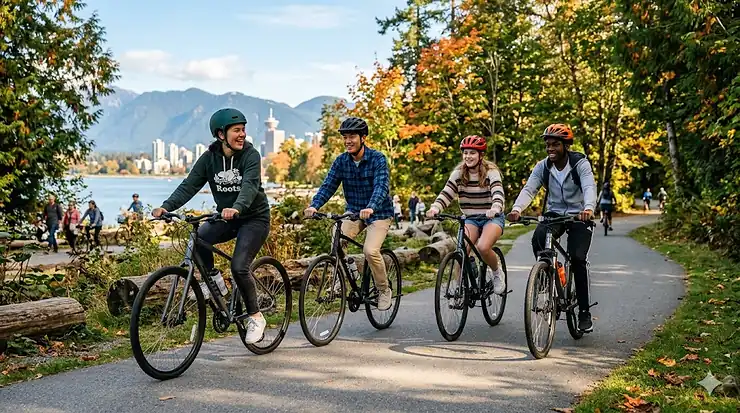
Getting your teenager started on the right bike doesn’t mean draining your savings account. In Canada’s cycling landscape—from Vancouver’s rain-soaked streets to Toronto’s sprawling bike lanes and Calgary’s pathway networks—finding a value performance bike teens under 600 can deliver quality, durability, and genuine riding enjoyment without the premium price tag.
What exactly is a value performance bike teens under 600? It’s a road or hybrid bicycle designed for riders aged 13-18, featuring lightweight aluminum construction, multiple gears (typically 14-21 speeds), reliable braking systems, and 700c wheels—all while staying under the $600 CAD threshold. These bikes bridge the gap between basic department-store models and professional-grade racing machines.
The Canadian cycling market presents unique challenges that American guides often overlook. Our winters test frame durability through freeze-thaw cycles. Road salt corrodes components faster. Distance between cities means your teen’s bike needs reliability for longer rides. Exchange rates and import duties push prices higher here than in the United States—a bike listed at $400 USD often translates to $550-$600 CAD once it crosses the border. That’s why understanding Canadian-available options matters enormously.
Performance road bike for teens Canada isn’t just about speed—it’s about building confidence, independence, and healthy habits. Whether your teen commutes to school year-round (helmet laws apply across most provinces for riders under 18, as mandated by provincial regulations), trains for weekend group rides, or explores multi-use pathways during summer break, the right bike transforms exercise into adventure. Budget performance bike for teen commuter scenarios demand frames that won’t crack under Canadian freeze-thaw stress, gears that shift smoothly even in spring slush, and components serviceable at local bike shops rather than requiring specialty imports.
Quick Comparison: Top Value Performance Bikes Under $600 CAD
| Bike Model | Speed Range | Frame Material | Approx. Price CAD | Best For | Weight |
|---|---|---|---|---|---|
| Schwinn Phocus 1600 | 16-speed | Aluminum + Carbon Fork | $450-$550 | Road beginners, fitness | ~12 kg |
| Hiland 700C Road Bike | 14-speed | Aluminum Alloy | $350-$450 | Budget-conscious commuters | ~11.5 kg |
| GMC Denali Road Bike | 21-speed | 6061 Aluminum | $400-$500 | Versatile all-rounders | ~13.5 kg |
| Vilano R2 Commuter | 21-speed | 6061 Aluminum | $380-$480 | Urban commuting, entry-level | ~11 kg |
| Schwinn Volare 1300 | 14-speed | Aluminum | $420-$520 | Comfortable fitness rides | ~12.5 kg |
| Schwinn Phocus 1400 | 14-speed | Aluminum + Rigid Fork | $400-$500 | Paved roads, beginners | ~11.8 kg |
| Youth Cyclocross Hybrid | 7-21 speed | Aluminum | $350-$600 | Mixed terrain, adventurous | Varies |
Looking at this comparison, the Vilano R2 offers exceptional value for budget-constrained families—delivering reliable Shimano components and lightweight construction in the $380-$480 CAD range. However, if your teen prioritizes comfort on longer rides, the Schwinn Phocus 1600’s carbon fork justifies its slightly higher price by absorbing road vibrations that aluminum-only frames transmit directly to young riders’ hands and shoulders. Canadian buyers should note that while these models frequently appear on Amazon.ca, availability fluctuates seasonally—Prime members enjoy free shipping, while non-Prime orders typically require $35+ CAD for free delivery.
💬 Just one click — help others make better buying decisions too! 😊
Top 7 Value Performance Bike Teens Under 600: Expert Analysis
1. Schwinn Phocus 1600 — The Comfortable All-Rounder
The Schwinn Phocus 1600 stands out as the sweet spot between affordability and genuine road bike performance, featuring a carbon fiber fork that most competitors skip at this price point.
This model pairs a lightweight Schwinn aluminum road frame with a carbon fiber rigid fork—a combination you rarely encounter below $600 CAD. The 16-speed Shimano Claris drivetrain with integrated brake/shift levers represents a significant step up from entry-level components, delivering crisp gear changes that don’t require taking your hands off the drops. High-profile alloy rims with paired spokes reduce weight while maintaining durability through Canadian pothole season.
For Canadian teens transitioning from hybrid bikes to drop-bar road geometry, the Phocus 1600 offers a forgiving introduction. That carbon fork absorbs the harsh vibrations from frost-heaved pavement that plague our roads every spring—your teenager’s wrists and shoulders will thank you after 20-kilometre rides. The frame geometry suits riders 5’6″ to 6’0″ (167-183 cm), making it appropriate for mid-to-late teens who’ve finished their major growth spurts. Canadian reviewers consistently praise its stability in crosswinds along prairie highways and coastal routes.
Priced in the $450-$550 CAD range, this represents serious value. Customer feedback highlights easy assembly (YouTube tutorials abound) and surprising longevity—several Canadian buyers report 2+ years of regular commuting without major component failures, even through salty winter conditions when properly maintained.
Pros:
✅ Carbon fork smooths rough Canadian roads significantly
✅ Shimano Claris 16-speed drivetrain exceeds expectations
✅ Fits most teen heights without extensive adjustments
Cons:
❌ At ~12 kg, slightly heavier than premium models
❌ Caliper brakes struggle in wet conditions compared to disc options
Value Verdict: The carbon fork alone typically costs $150-$200 CAD as a standalone upgrade—getting it included here makes this bike punch well above its weight class for Canadian conditions.
2. Hiland 700C Road Bike — The Budget Champion
The Hiland 700C Road Bike proves that “affordable” doesn’t automatically mean “cheaply made,” delivering aluminum alloy construction and 14-speed versatility at entry-level pricing.
Built around a lightweight aluminum alloy frame with 700c wheels and a 14-speed Shimano drivetrain, this bike focuses on the fundamentals without unnecessary frills. The caliper brake system provides reliable stopping power in dry conditions, while the urban commuter geometry keeps riders comfortable during 30-45 minute rides. Canadian buyers appreciate the straightforward design—fewer specialty components mean local bike shops can service it without ordering exotic replacement parts.
What most Canadian buyers overlook about the Hiland is its exceptional strength-to-weight ratio at this price tier. Coming in around 11.5 kg, it’s lighter than bikes costing $100-$150 more, which translates to easier acceleration when your teen navigates traffic or climbs the inevitable hills found in cities like Vancouver, Montreal, or Halifax. The double-wall alloy rims resist denting from pothole impacts better than single-wall alternatives commonly found on department store bikes.
Customer feedback from Canadian riders emphasizes value and reliability. Several reviewers mention using this bike for daily school commutes (8-12 km round trips) throughout three seasons without mechanical issues. The straightforward assembly process takes 30-45 minutes with basic tools—no specialty bike shop visit required unless you lack confidence adjusting derailleurs.
Pros:
✅ Exceptional lightweight design at budget pricing
✅ Serviceable with standard components available across Canada
✅ Strong double-wall rims handle rough urban conditions
Cons:
❌ Only 14 speeds limit gear range for very hilly terrain
❌ No mounting points for fenders—problematic in wet seasons
Price Point: At $350-$450 CAD, this represents the floor for quality aluminum road bikes available to Canadian buyers. Anything cheaper typically compromises frame quality or component reliability.
3. GMC Denali Road Bike — The Versatile Performer
The GMC Denali Road Bike delivers 21-speed versatility and Shimano reliability in a package that handles everything from fitness rides to casual commuting across varied Canadian terrain.
This bike centers on a lightweight 6061 aluminum frame—the same aerospace-grade alloy used in aircraft construction—paired with a Shimano 21-speed derailleur system and Shimano Revo twist shifters. The 700c wheels ride on high-profile alloy Vitesse racing rims with 36 spokes, providing strength for heavier riders or those carrying backpacks loaded with textbooks. The padded Vitesse saddle and included water bottle cage show attention to rider comfort during longer outings.
The Denali’s 21-speed gear range shines in Canada’s diverse topography. Whether your teen tackles Vancouver’s steep residential streets, navigates Ottawa’s Rideau Canal pathway system, or rides the flatter expanses around Winnipeg, this bike offers gears low enough for climbing and tall enough for fast descents. The twist shifters operate without removing hands from handlebars—a safety advantage when navigating urban traffic or signaling turns, which Canadian provincial regulations require.
Weighing approximately 13.5 kg, it’s slightly heavier than some competitors, but that weight includes a robust build quality. Canadian reviewers particularly appreciate how the frame handles freeze-thaw cycle stress—after two winters of outdoor storage (not recommended, but realistic for many families), several owners report zero frame cracks or paint delamination issues.
Pros:
✅ 21-speed range handles dramatic elevation changes
✅ Twist shifters keep hands on bars for safer urban riding
✅ Robust construction survives Canadian weather extremes
Cons:
❌ Heavier than pure performance models affects acceleration
❌ Basic saddle may require upgrade for riders over 15 km distances
Market Position: At $400-$500 CAD, the Denali occupies the middle ground between bargain bikes and premium models—ideal for families wanting quality without the top-tier price tag.
4. Vilano R2 Commuter — The Entry-Level Excellence
The Vilano R2 Commuter strips away non-essentials to deliver pure aluminum road bike performance at a price point that makes cycling accessible to more Canadian families.
Constructed from lightweight 6061 aluminum with a double-butted frame design, the R2 emphasizes strength-to-weight optimization. The 21-speed Shimano drivetrain features thumb shifters instead of integrated brake/shift levers—a cost-saving measure that works perfectly fine for commuting and fitness riding. Frame mounting points accommodate water bottle cages, and the geometry suits both male and female teens in the 5’4″ to 5’11” (163-180 cm) height range.
What sets the Vilano R2 apart for Canadian buyers is its repairability and parts availability. Unlike some imported brands that require specialty components shipped from overseas, the R2 uses standard Shimano parts found at every bike shop from St. John’s to Victoria. When your teen inevitably needs a derailleur adjustment or cable replacement, any local mechanic can handle it without ordering special parts or consulting exotic service manuals.
Weighing just 11 kg, this bike accelerates quickly—important for teens navigating traffic lights and stop signs during urban commutes. The lightweight construction also makes it easier to carry up apartment stairs or lift onto bike racks, a practical consideration for condo-dwelling Canadian families. Customer reviews consistently mention “great value for money” and “surprisingly capable for the price,” with several Canadian buyers reporting 1,000+ km of trouble-free riding.
Pros:
✅ Exceptional lightweight at under-$500 CAD pricing
✅ Standard Shimano components available everywhere
✅ Proven reliability through thousands of customer reviews
Cons:
❌ Thumb shifters less convenient than integrated systems
❌ Requires more assembly expertise than pricier models
Budget Reality: At $380-$480 CAD, the Vilano R2 leaves budget room for essential accessories—helmet ($40-$80), lock ($30-$60), and lights ($25-$50)—which Canadian law requires for after-dark riding in most provinces.
5. Schwinn Volare 1300 — The Comfort-Focused Road Bike
The Schwinn Volare 1300 bridges road bike efficiency with hybrid bike comfort, creating an ideal platform for teens still developing their cycling endurance and flexibility.
This model features a Schwinn aluminum frame with sport-oriented geometry that’s less aggressive than pure racing bikes. The 14-speed microSHIFT drivetrain provides adequate gear range for most Canadian terrain without overwhelming beginners with excessive options. Alloy caliper brakes deliver consistent stopping power, while the fitness-oriented saddle supports riders during 45-60 minute outings without causing the numbness common with harder racing saddles.
The Volare 1300’s slightly more upright position compared to aggressive road bikes matters significantly for teen riders. Many 13-16 year olds lack the core strength and flexibility for extreme drop-bar positions—this bike lets them build fitness gradually without lower back strain. Canadian physiotherapists and cycling coaches often recommend this geometry for youth riders developing proper cycling posture, particularly those transitioning from flat-bar hybrids.
Priced around $420-$520 CAD, it costs slightly more than ultra-budget options but delivers noticeable comfort improvements. Several Canadian parents report their teens willingly riding longer distances on the Volare compared to cheaper bikes that caused hand numbness or shoulder pain. The investment pays dividends in sustained cycling enthusiasm rather than a bike gathering garage dust after initial excitement fades.
Pros:
✅ Comfort-oriented geometry prevents teen rider fatigue
✅ Quality saddle suitable for 45-60+ minute rides
✅ Schwinn’s established service network across Canada
Cons:
❌ 14-speed limit restricts performance on steep climbs
❌ Slightly heavier than pure performance models
Target Rider: Perfect for teens prioritizing enjoyable longer rides over racing performance—think weekend family cycling on rail trails rather than competitive group rides.
6. Schwinn Phocus 1400 — The Lightweight Performer
The Schwinn Phocus 1400 delivers serious performance credentials at a more accessible price than its 1600 sibling, making it ideal for budget-conscious families seeking genuine road bike capabilities.
Built on a Schwinn aluminum road frame with a rigid alloy fork (rather than carbon), this model features a 14-speed microSHIFT integrated shifter/brake lever combo that mimics higher-end Shimano systems. The high-profile alloy wheels with paired spokes strike an attractive balance between aesthetics and function, while alloy caliper brakes provide reliable stopping power across varied conditions. The quick-release front wheel and seat post enable easy height adjustments as teens grow.
Coming in at approximately 11.8 kg, the Phocus 1400 offers lightweight performance that teenagers notice immediately when accelerating or climbing. Canadian reviewers frequently contrast this with department store bikes that weigh 15+ kg—the difference transforms riding from work to enjoyment. The aluminum-only construction (no carbon fork) keeps costs down while still delivering responsive handling that encourages skill development.
For Canadian teens serious about cycling but working with family budgets, this bike represents smart value. Priced in the $400-$500 CAD range, it delivers 80-90% of the Phocus 1600’s performance at 75-80% of the cost. The savings can fund essential accessories like quality lights (required by law for riding half an hour before sunset to half an hour after sunrise in Ontario and most provinces), a proper lock, and a helmet meeting CSA or CPSC safety standards.
Pros:
✅ Lightweight aluminum construction enhances performance
✅ Integrated brake/shift levers improve control and safety
✅ Quick-release components accommodate growth spurts
Cons:
❌ Rigid fork transmits more road vibration than carbon models
❌ 14 speeds adequate but not ideal for mountainous regions
Smart Choice For: Families wanting genuine road bike performance without premium pricing, especially in relatively flat regions of Canada like Southern Ontario, Saskatchewan, or Prince Edward Island.
7. Youth Cyclocross Hybrid — The Adventure-Ready Option
For Canadian teens whose riding extends beyond paved roads into gravel paths, light trails, and multi-surface adventures, a youth cyclocross bike or hybrid design offers versatility that pure road bikes can’t match.
These bikes typically feature aluminum frames with wider tire clearance (accommodating 35-40mm tyres rather than road bike’s 23-28mm), often include mounting points for fenders and racks, and employ either drop bars or flat bars depending on the specific model. Gear ranges vary from 7-speed simplicity to 21-speed versatility, with mechanical disc brakes appearing on mid-range to higher-end models—crucial for Canadian riders facing wet conditions during spring and fall.
What makes aluminum vs carbon fiber frame selection particularly relevant here: at the $350-$600 CAD price point, aluminum dominates hybrid and cyclocross categories. Carbon frames typically start around $1,200+ CAD, making them unrealistic for youth bikes that will be outgrown or upgraded within 2-3 years. Aluminum’s impact resistance also matters more when teens venture onto rougher terrain—a dent or bend remains rideable, whereas carbon cracks can render the bike unsafe.
The wider tires and more relaxed geometry suit Canadian conditions beautifully. When spring thaw transforms bike paths into obstacle courses of frost heaves, sand, and debris, these bikes handle it confidently. Summer gravel riding along rural roads or rail trails becomes viable. Even winter riding remains possible with studded tire swaps—something road bike’s tight clearances prevent.
Pros:
✅ Versatile for paved roads, gravel paths, and light trails
✅ Fender and rack mounts support Canadian weather reality
✅ Disc brakes (on mid-tier models) perform in wet/cold
Cons:
❌ Heavier than pure road bikes affects paved-road speed
❌ Less aerodynamic for teens interested in performance riding
Price Range: Expect $350-$600 CAD depending on components—models with disc brakes and quality drivetrains approaching the upper limit, while rim-brake versions with simpler gearing sit at the lower end.
✨ Don’t Miss These Exclusive Deals!
🔍 Take your teen’s cycling journey to the next level with these carefully selected products. Click on any highlighted item to check current pricing and availability on Amazon.ca. These tools will help you create authentic riding experiences your family will love!
First 30 Days: Setting Up Your Teen’s Value Performance Bike for Canadian Success
Getting a new bike home is just the beginning—proper setup determines whether your teen embraces cycling or finds excuses to avoid it. Here’s how to optimize performance and comfort during those crucial first weeks.
Initial Assembly & Safety Verification
Most value performance bike teens under 600 arrive 85% assembled requiring final adjustments. Before your teen’s first ride, verify these critical safety points:
Brake Function Test: Squeeze each brake lever firmly while pushing the bike forward. The rear brake (right lever) should lock the rear wheel, making it skid. The front brake (left lever in Canada) should lift the rear wheel slightly when applied hard. If brakes feel spongy or don’t engage properly, adjust cable tension or visit a bike shop—brake failure poses serious injury risk.
Wheel Security: Ensure both wheels spin freely without wobbling side-to-side (lateral true) or up-and-down (radial true). Minor wobbles are normal on budget bikes, but anything exceeding 3-5mm warrants professional truing. Quick-release skewers (if equipped) must close firmly—you should feel resistance in the final 90 degrees of lever rotation.
Chain Tension & Lubrication: Canadian roads see heavy sand and salt application during spring, accelerating chain wear. Check that the chain moves smoothly through all gears without skipping. Apply bicycle-specific chain lubricant (not WD-40, which attracts dirt)—wipe off excess to prevent grime buildup. Repeat every 150-200 km or after riding in rain.
Saddle Height Optimization
Incorrect saddle height causes knee pain, hamstring strain, and premature fatigue—critical issues when building teen cycling enthusiasm. The proper method:
Have your teen wear their cycling shoes (or regular footwear they’ll ride in) and sit on the saddle with the bike against a wall for stability. Place one pedal at the 6 o’clock (bottom) position. Their knee should have a slight bend (5-10 degrees)—not locked straight, not deeply flexed. Adjust the seat post accordingly, ensuring it doesn’t exceed the minimum insertion mark (usually indicated by a line or label).
For growing teens, check saddle height every 2-3 months. A growth spurt can render previous settings too low within weeks, forcing awkward leg angles that reduce pedaling efficiency by 15-20%.
Cold Weather Performance Tips
Canadian winters test components differently than American guides acknowledge. Essential winterization steps:
- Battery-powered lights: Store batteries indoors overnight—cold temperatures reduce runtime by 30-50%
- Tire pressure: Check weekly during temperature swings—a drop from +15°C to -5°C reduces pressure by ~10 PSI, affecting handling
- Frame protection: Apply frame protector tape to down tube and chainstays before winter—road salt causes rapid paint deterioration and eventual frame corrosion
- Post-ride maintenance: Wipe down chain, derailleurs, and brake cables after riding on salted roads—salt accelerates cable fraying and bearing contamination
Break-In Period Adjustments
During the first 50-100 km, cables stretch and components settle. Plan for these common adjustments:
- Derailleur indexing: Gears may start skipping or require extra lever pressure—minor cable tension adjustments restore crisp shifting
- Brake cable tension: Brakes may feel progressively softer—small cable tension increases restore proper engagement
- Spoke tension: Wheels may require minor truing as spoke tension equalizes—this is normal, not a defect
Consider booking a free or low-cost (typically $30-$50 CAD) 30-day tune-up at your local bike shop. Many retailers offer this service when you purchase accessories simultaneously.
Real Canadian Riders: Matching Bikes to Teen Profiles
Choosing the right value performance bike teens under 600 requires matching bicycle characteristics to your teenager’s actual riding scenarios—not idealized versions. Here are three typical Canadian teen cycling profiles with targeted recommendations.
Profile 1: The Urban Commuter (Toronto, Vancouver, Montreal)
Meet Alex, 16, Downtown Toronto
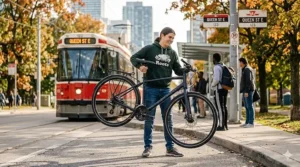
Alex commutes 6 km each way to high school year-round, navigating bike lanes, streetcar tracks, and congested intersections. The route includes moderate hills and requires carrying a backpack with laptop and textbooks weighing 4-5 kg. Bike security is paramount—it’s locked outdoors at school and occasionally at transit stations.
Recommended: Vilano R2 Commuter or Hiland 700C
Rationale: Urban commuting prioritizes reliability, low maintenance, and theft deterrence over pure performance. The Vilano R2’s standard components mean quick, affordable repairs at any Toronto bike shop when (not if) something needs servicing. Its lower price point ($380-$480 CAD) makes it a less attractive theft target than $600+ models—critical when locked in public areas despite using a quality U-lock.
The lightweight aluminum construction (11 kg) makes it manageable when carrying up condo stairs or lifting onto transit bike racks during bad weather days. The 21-speed range handles Toronto’s hills adequately, while caliper brakes perform acceptably in dry conditions (though disc brakes would be ideal for rain—unfortunately rare at this price tier).
Budget Allocation (Total: $600):
- Bike: $400-$450
- Heavy-duty U-lock (Kryptonite Evolution Mini or equivalent): $80-$100
- Helmet (CSA-certified): $50-$70
- Lights (required by Ontario law): $30-$40
- Remaining: ~$20-$40 for tune-ups or accessories
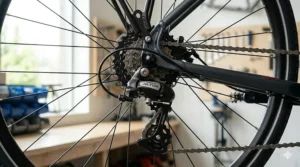
Profile 2: The Fitness Enthusiast (Calgary Pathways)
Meet Jordan, 15, Southwest Calgary
Jordan rides recreationally 3-4 times weekly on Calgary’s extensive pathway network, typically 15-25 km loops with family or friends. The riding is primarily fitness-focused rather than transportation, occurring mainly spring through fall. Jordan’s developing interest in potentially joining high school cycling club next year.
Recommended: Schwinn Phocus 1600 or Schwinn Phocus 1400
Rationale: Recreational fitness riding benefits significantly from comfort and ride quality—precisely where the Phocus 1600’s carbon fork shines. Calgary’s pathways, while generally well-maintained, include rough sections where vibration damping prevents hand numbness and shoulder fatigue during longer rides.
The 16-speed (1600) or 14-speed (1400) drivetrains provide adequate range for pathway riding, where extreme gearing rarely matters. The drop-bar geometry encourages proper road cycling technique, positioning Jordan well if cycling club interest develops into competitive aspirations.
Budget Allocation (Total: $600):
- Bike: $450-$550 (Phocus 1600) or $400-$450 (Phocus 1400)
- Helmet: $50-$70
- Cycling gloves (reduce hand fatigue): $25-$40
- Water bottle cages (2): $15-$25
- Floor pump with gauge: $30-$50
- Remaining: Padded shorts ($40-$60) if within budget
Profile 3: The Rural Explorer (Small-Town Ontario)
Meet Taylor, 14, Rural Eastern Ontario
Taylor lives in a town of 8,000 people, riding primarily on paved rural roads with occasional gravel sections. Typical rides cover 10-20 km exploring countryside, visiting friends in neighboring communities, or accessing the nearest town’s amenities. Terrain includes moderate rolling hills, and road conditions vary from smooth pavement to frost-heaved sections with gravel shoulders.
Recommended: Youth Cyclocross Hybrid or GMC Denali
Rationale: Rural Canadian riding demands versatility and durability over pure performance. A cyclocross-style hybrid accommodates wider tires (35-40mm) that handle gravel shoulders and rough pavement sections confidently—critical when paved roads transition to gravel without warning in rural areas.
The GMC Denali’s 21-speed range proves valuable in hilly terrain where gear ratio for hills becomes essential. Its robust construction (13.5 kg) handles rougher conditions better than ultra-lightweight models, and the included water bottle cage matters more when riding distances between towns with limited amenities.
Budget Allocation (Total: $600):
- Bike: $400-$500
- Helmet: $50-$70
- Lights (essential on rural roads with limited lighting): $40-$60
- Small tool kit and spare tube: $25-$40
- Lock (even rural areas see bike theft): $30-$50
- Remaining: Rear rack ($30-$50) for carrying purchases from town
Aluminum vs Carbon Fiber Frame: The Real Story for Teen Bikes Under $600 CAD
Marketing materials obsess over frame materials, but at the value performance bike teens under 600 price point, the aluminum vs carbon fiber debate resolves simply: aluminum dominates, and that’s perfectly fine.
Why Aluminum Reigns at This Price Tier
Pure carbon fiber frames start around $1,200-$1,500 CAD for complete bikes—double our budget ceiling. What you’ll occasionally encounter under $600 CAD are aluminum frames with carbon forks—a hybrid approach that captures some carbon benefits while controlling costs.
Aluminum’s Advantages for Teen Bikes:
Durability Under Abuse: Teenagers drop bikes, bump into posts, and occasionally crash during skill development. Aluminum dents or bends but remains rideable. Carbon cracks catastrophically—a $500 CAD frame becomes scrap after an impact that would merely dent aluminum. For bikes that will endure novice handling and potential growth-related trade-in within 2-3 years, aluminum’s toughness outweighs carbon’s marginal weight savings.
Repairability & Cost: Minor aluminum frame damage (dents, bent dropouts) costs $50-$150 CAD to repair at most bike shops. Carbon fiber repair requires specialty services charging $200-$500+ CAD—if they’ll even attempt it. When your teen inevitably backs into a garage wall or tips over at a stoplight, aluminum forgives.
Value Equation: At identical $550 CAD price points, an aluminum bike typically features better components (Shimano Claris instead of Tourney, disc brakes instead of rim brakes) compared to a carbon-fork hybrid bike. Since components affect performance more than frame material for recreational riders, this represents smarter value allocation.
When Carbon Fork Hybrids Make Sense
The Schwinn Phocus 1600 exemplifies carbon forks done right at budget pricing. Carbon forks provide specific benefits worth considering:
Vibration Damping: Carbon absorbs high-frequency road vibration better than aluminum or steel. On Canadian roads—which endure freeze-thaw cycles creating particularly rough pavement textures—this translates to noticeably reduced hand numbness and upper body fatigue during 20+ km rides. For teens building endurance, comfort directly influences how far they’ll willingly ride.
Future-Proofing: A teen serious about cycling will eventually upgrade to a full carbon bike. Starting with a carbon fork introduces that ride quality characteristic, making the eventual transition less jarring. It also signals to enthusiastic teens that their family supports their cycling interest with quality equipment.
Weight Savings: A carbon fork typically saves 300-500 grams compared to aluminum or steel equivalents—noticeable when lifting the bike but marginal during riding. For competitive-minded teens, this psychological boost matters.
The Frame Material Nobody Mentions: Steel
Budget hybrid bikes occasionally feature high-tensile steel frames at the $250-$400 CAD range. Avoid these for performance-oriented riding. Steel bikes at this price tier weigh 14-17 kg—3-5 kg heavier than aluminum equivalents. That weight gap devastates acceleration and climbing performance, frustrating teenagers accustomed to lighter bikes.
Quality steel (chromoly) appears on premium bikes costing $800+ CAD, where frame builders leverage steel’s ride quality characteristics. At our price point, steel indicates cost-cutting through outdated manufacturing techniques.
The Bottom Line for Canadian Families
For value performance bike teens under 600, prioritize aluminum frames from reputable brands (Schwinn, GMC, Vilano, Hiland). If budget permits, aluminum frame + carbon fork combinations like the Schwinn Phocus 1600 deliver measurable comfort improvements. Avoid pure carbon frames at this price—they don’t exist from legitimate manufacturers, only questionable direct-import brands with zero Canadian service support.
Remember: components matter more than frame material for recreational teen riders. A well-equipped aluminum bike with Shimano Claris components outperforms a carbon frame with no-name parts every single ride.
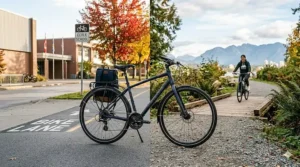
Drop Bar vs Flat Bar: Choosing the Right Handlebar Style
The handlebar configuration fundamentally changes riding experience, yet Canadian families often overlook this critical decision when selecting value performance bike teens under 600. Here’s how to match handlebar style to your teen’s riding reality.
Drop Bar Road Bikes: Performance-Oriented
Drop bars (curved handlebars sweeping downward and forward) characterize traditional road bikes like the Schwinn Phocus series and Vilano R2.
Advantages:
- Multiple hand positions: Tops, hoods, and drops provide three distinct grip locations, reducing hand numbness during longer rides
- Aerodynamic efficiency: Lower, more forward position reduces wind resistance by 15-20% compared to upright flat bars—noticeable on rides exceeding 15 km
- Skill development: Teaches proper road cycling technique if your teen shows competitive interest
- Speed potential: Aggressive position enables higher sustained speeds on flat terrain
Challenges:
- Flexibility requirements: Requires adequate core strength and hamstring flexibility—some 13-15 year olds lack this initially
- Intimidation factor: Appears “too serious” to casual riders, potentially discouraging recreational use
- Limited visibility: Lower head position reduces sightlines in heavy urban traffic—Canadian cycling safety advocates emphasize visibility importance
Best For: Teens interested in fitness riding, group rides, or potential racing. Works well on dedicated bike paths, quiet roads, and controlled environments where sustained speed matters.
Flat Bar Hybrids: Versatility-Focused
Flat bars (straight handlebars similar to mountain bikes) appear on hybrid models and some commuter-oriented road bikes like the GMC Denali Flat Bar variant.
Advantages:
- Upright visibility: Higher head position improves traffic awareness—crucial for urban Canadian riding where pedestrians, cars, and cyclists share limited space
- Immediate comfort: Requires minimal flexibility or core strength—beginners ride confidently from day one
- Easier control: Wider grip provides better leverage for steering and balancing at low speeds (traffic lights, stop signs)
- Less intimidating: Familiar feel for teens transitioning from mountain bikes or hybrids
Challenges:
- Hand position limitation: Single grip location causes hand numbness on rides exceeding 45-60 minutes
- Aerodynamic penalty: Upright position increases wind resistance—tiring on windy days (common on prairie provinces and coastal areas)
- Speed ceiling: Less efficient for sustained speeds above 25 km/h
- Wrist strain: Can cause wrist hyperextension on bumpy roads without proper bar grips
Best For: Urban commuters, recreational riders, and teens prioritizing comfort over performance. Ideal for stop-and-go city riding, casual pathway exploration, and mixed-terrain use.
Making the Decision for Canadian Riding Conditions
Choose drop bars if:
- Your teen rides primarily on pathways, quiet roads, or controlled environments
- Fitness development or potential competitive interest exists
- Typical rides exceed 15 km and occur in relatively straight routes
- Your teen has adequate flexibility (can touch toes while standing without knee bend)
- You live in regions with extensive bike lane networks (Vancouver, Toronto, Montreal)
Choose flat bars if:
- Primary use is urban commuting with frequent stops
- Your teen is 13-14 years old and still developing strength/flexibility
- Riding involves mixed surfaces (paved + gravel) or rough road conditions
- Comfort and confidence matter more than speed
- You live in smaller communities with limited dedicated cycling infrastructure
The Hybrid Approach
Some bikes, like certain cyclocross models, offer drop bars with wider, flared sections that combine aerodynamic benefits with improved control. These work particularly well for Canadian teens whose riding spans multiple categories—commuting to school during the week, pathway riding on weekends.
Canadian Reality Check: Given our climate forces 3-6 months of reduced riding (depending on province and individual cold tolerance), many teens benefit from flat-bar comfort during their limited cycling season. Building riding enthusiasm through comfortable experiences often matters more than optimizing aerodynamics for the 4-5 months of ideal Canadian cycling weather.
Gear Ratio for Hills: Ensuring Your Teen Can Actually Climb
Canadian geography varies dramatically—from Saskatchewan’s prairies to British Columbia’s mountains to Halifax’s steep residential streets. Ensuring your value performance bike teens under 600 includes appropriate gearing prevents the frustration of walking hills that friends pedal easily.
Understanding Gear Ratios Simply
Ignore the technical jargon about cassette ratios and chainring teeth counts. What matters: Can your teen pedal up the steepest hill they’ll regularly encounter without standing, straining, or walking?
Speed Count Comparison:
- 7-speed: Adequate for flat terrain only (Southern Ontario, Saskatchewan, Manitoba prairies)
- 14-speed: Handles moderate hills up to 8-10% grades (most urban Canadian settings)
- 21-speed: Tackles steep residential streets and extended climbs (Vancouver, Quebec City, St. John’s)
Testing Hills Before Purchase
If possible, test ride on actual terrain matching your area. Simulate loaded riding by wearing a backpack with 4-5 kg of weight (textbooks, water bottles)—mimicking school commuting reality. Your teen should maintain 60-70 RPM cadence (one pedal stroke per second) on the steepest local hill without excessive strain.
Red Flags Indicating Insufficient Gearing:
- Teen must stand to pedal moderate hills
- Cadence drops below 40 RPM (struggling to turn pedals)
- Breathing becomes labored on hills that friends climb conversationally
- Teen avoids routes with hills, limiting riding areas artificially
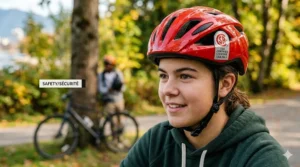
Regional Gearing Recommendations
Prairie Provinces (MB, SK, Southern AB): 7-14 speed bikes handle terrain adequately. Wind resistance matters more than gearing—focus on comfortable riding position.
BC Interior & Mountain Regions: 21-speed essential. Look for triple chainrings (3 front gears) providing ultra-low climbing ratios. The GMC Denali’s 21-speed setup works well here.
Coastal Cities (Vancouver, Halifax, Victoria): 14-21 speeds depending on specific neighborhoods. Halifax’s extreme hills demand 21-speed; Vancouver’s varies by area.
Ontario/Quebec Urban: 14-16 speeds generally sufficient. The Schwinn Phocus 1600 (16-speed) or Phocus 1400 (14-speed) handle most areas well.
The Climbing Gear Test
When evaluating bikes, ask: “What’s the easiest gear ratio?” Bikes with 28-tooth or larger rear cogs paired with 24-28 tooth small front chainrings provide genuinely easy climbing. Smaller rear cogs (14-21 tooth ranges) force harder pedaling on steep grades.
Canadian bike shops can install larger rear cogs (often $30-$60 CAD for parts + labour) if your teen’s bike proves undergeared for local terrain. However, purchasing correctly-geared initially avoids this expense and frustration.
Performance Road Bike for Teens Canada: Realistic Expectations
Marketing materials showcase professional cyclists achieving incredible speeds on lightweight road bikes, but what should Canadian families realistically expect from value performance bike teens under 600? Let’s separate hype from reality.
Speed Capabilities: The Honest Assessment
Flat Terrain: Teen riders on bikes in this category typically sustain 20-25 km/h on flat, paved pathways with moderate effort. Experienced teens or those with strong fitness backgrounds might reach 28-32 km/h, while beginners settle around 18-22 km/h initially.
Moderate Hills (5-8% Grade): Speed drops to 12-18 km/h on sustained climbs. Proper gearing (14+ speeds) prevents walking but won’t match lightweight carbon bikes costing $2,000+ CAD.
Downhill: Gravity becomes the primary factor—speeds of 40-50 km/h occur naturally on extended descents.
Safety note: Canadian provincial regulations classify bicycles as vehicles; teens must obey speed limits where posted and ride controllably.
Wind Impact: Often overlooked in American guides but critical for Canadian prairie riding. Headwinds of 20-30 km/h (common on open roads) reduce speeds by 25-40% compared to calm conditions. Your teen might sustain 22 km/h in calm weather but only 14 km/h into strong headwinds—frustrating but physics, not bike quality.
Distance Capabilities
Beginner Teens (13-14 Years): Comfortable rides typically span 8-15 km initially, extending to 20-25 km after 2-3 months of regular riding. Bikes in this category support this perfectly.
Intermediate Teens (15-17 Years with Cycling Experience): 25-40 km rides become achievable on value performance bikes. Comfort limitations (saddle, hand position) appear before mechanical limitations. Upgrading the saddle ($40-$80 CAD) often extends comfortable riding distance by 30-50%.
Advanced Teen Cyclists: Riders covering 50+ km regularly will eventually outgrow value performance bikes’ component quality. However, starting here builds skills, fitness, and enthusiasm before investing in premium equipment.
Component Lifespan Reality
Budget performance bike for teen commuter use faces realistic component replacement schedules:
Chain: 2,000-3,000 km (12-18 months of regular commuting) — Replacement cost: $20-$35 CAD
Brake Pads: 1,500-2,500 km — Replacement cost: $15-$25 CAD
Cables (shift and brake): 3,000-5,000 km or annually in Canadian climates due to moisture/salt — Replacement cost: $30-$50 CAD labour included
Tires: 2,500-4,000 km depending on road conditions and inflation maintenance — Replacement cost: $30-$60 CAD each
Annual Maintenance Budget: Plan $100-$200 CAD yearly for routine maintenance, component replacement, and tune-ups. This keeps the bike safe and enjoyable without unexpected repair bills derailing your teen’s cycling enthusiasm.
When Value Bikes Hit Limitations
Limitations Appear When:
- Your teen regularly rides with experienced adult cyclists maintaining 28+ km/h pace
- Competitive cycling interest develops requiring race-specific equipment
- Annual riding distance exceeds 3,000 km (component replacement frequency becomes burdensome)
- Your teen grows significantly, requiring adult-sized geometry unavailable in value models
Smart Approach: Value bikes serve excellently for skill development, fitness building, and determining genuine cycling commitment before investing $1,200-$2,500 CAD in premium equipment. Many Canadian teens ride these bikes for 2-4 years, then either upgrade if cycling passion endures or transition to other activities without regret over excessive initial investment.
How to Choose Value Performance Bike Teens Under 600 in Canada
Selecting the right bike from dozens of similar-looking options requires systematic evaluation beyond flashy colour schemes and marketing claims. Follow this decision framework used by Canadian cycling coaches and experienced parents.
Step 1: Define Primary Use Case
Urban Commuting (School, Work, Errands): Priority: Reliability, security features, weather resistance Recommended: Vilano R2, Hiland 700C Secondary Considerations: Fender mounts, rack compatibility, easily-replaced components
Recreational Fitness (Pathways, Organized Rides): Priority: Comfort, performance, enjoyment Recommended: Schwinn Phocus 1600, Schwinn Phocus 1400 Secondary Considerations: Lightweight, multiple hand positions, smooth gearing
Mixed Use (Commuting + Recreation): Priority: Versatility, durability, value Recommended: GMC Denali, Youth Cyclocross Hybrid Secondary Considerations: Adequate gearing range, serviceable components
Step 2: Match Bike to Teen’s Physical Development
Height Considerations:
- Under 5’4″ (163 cm): Look for XS or 48-50cm frame sizes—limited availability in budget road bikes; hybrid or cyclocross models offer more youth sizing
- 5’4″-5’8″ (163-173 cm): Small or 52-54cm frames fit most teens in this range
- 5’8″-6’0″ (173-183 cm): Medium or 54-56cm frames
- Over 6’0″ (183 cm+): Large or 58cm+ frames
Growth Trajectory: If your teen is 13-14 and still growing significantly, consider slightly larger frames with adjustable seat posts and stems. However, avoid bikes dramatically oversized—improper fit causes injuries and discourages riding.
Step 3: Evaluate Local Terrain & Climate
Flat Regions (Prairies, Southern Ontario):
- 7-14 speeds adequate
- Focus budget on lightweight frames and comfortable riding position
- Wind resistance matters more than climbing gears
Hilly Urban Areas (Vancouver, Halifax, Quebec City):
- 21-speed essential for steep residential streets
- Test ride with loaded backpack to verify lowest gear sufficiency
- Consider disc brakes (rare under $600) for wet-weather descending safety
Mixed Terrain (Rural Areas, Smaller Communities):
- Hybrid or cyclocross geometry handles pavement + gravel shoulders
- Wider tire clearance (32mm+) accommodates rougher surfaces
- Robust construction withstands varied conditions better than ultralight road bikes
Step 4: Assess Component Quality & Availability
Drivetrain:
- Shimano Tourney: Entry-level acceptable but expect more frequent adjustments
- Shimano Claris: Noticeable performance step up, worth $50-$100 CAD premium
- microSHIFT: Good Shimano alternative, slightly less refined but reliable
- No-name components: Avoid unless bike costs under $300 CAD (outside our category)
Brakes:
- Caliper brakes: Standard on budget road bikes, adequate in dry conditions
- V-brakes: Common on hybrids, effective but require more hand strength
- Mechanical disc: Superior wet-weather performance but adds $100-$150 CAD to bike cost—rare under $600 CAD
Wheels:
- Double-wall rims: Standard durability for Canadian pothole conditions
- Single-wall rims: Inadequate—dent easily, requiring frequent truing
- Quick-release vs. bolt-on: Quick-release convenient but slightly higher theft risk in urban areas
Step 5: Verify Canadian Availability & Support
Purchase Channels:
- Amazon.ca: Widest selection, competitive pricing, Prime shipping benefits; verify seller is Canadian or ships from Canada to avoid customs delays
- Canadian Bike Shops: Higher prices but include assembly, fitting, and 30-day tune-ups; supports local economy
- Sporting Goods Retailers (Canadian Tire, Sport Chek): Limited selection but sometimes competitive pricing; assembly quality varies
Service Availability: Verify your community has bike shops capable of servicing the model. Brands like Schwinn, GMC, and mainstream manufacturers have better parts availability than obscure direct-import brands.
Step 6: Calculate Total Cost of Ownership
Essential Accessories (Included in $600 Budget):
- Helmet ($40-$80 CAD) — legally required for riders under 18 in most provinces
- Lock ($30-$100 CAD) — U-locks or heavy cables; chain locks less secure
- Lights ($25-$60 CAD) — legally required from sunset-30min to sunrise+30min most provinces
- Floor pump with gauge ($30-$50 CAD) — maintaining proper tire pressure critical
Year-One Costs Beyond Bike:
- Initial accessories: $125-$290 CAD
- 30-day tune-up (if not included): $0-$50 CAD
- Potential saddle upgrade: $0-$80 CAD (if stock saddle uncomfortable)
- Winter storage considerations: indoor storage essential for frame longevity
Budget Allocation Example:
- Bike: $450 CAD (leaves room for accessories)
- Helmet: $60 CAD
- Lock: $50 CAD
- Lights: $35 CAD
- Pump: $5 CAD (remaining budget—consider borrowing initially)
Step 7: Read Canadian Reviews Specifically
Product reviews vary regionally—what works in Arizona’s dry climate may fail in British Columbia’s rain. Search specifically for Canadian reviewer experiences noting:
- Performance through winter storage (frame durability, paint condition)
- Canadian shipping experiences (customs delays, damaged shipments)
- Local shop service experiences (parts availability, mechanic familiarity)
- Real-world riding conditions matching your province
Common Mistakes When Buying Value Performance Bikes in Canada
Canadian families frequently make these preventable errors that compromise bike performance, safety, and teen cycling enthusiasm. Learn from others’ experiences to avoid expensive do-overs.
Mistake 1: Ignoring Bike Fit for “Room to Grow”
The Error: Parents purchase bikes 2-3 sizes too large, assuming teens will “grow into them” over 2-3 years, similar to buying oversized winter coats.
Why It Fails: Bikes aren’t coats. Improper fit causes:
- Difficulty reaching brakes and shifters (safety hazard)
- Knee and hip strain from incorrect saddle height
- Poor handling and reduced confidence
- Higher crash risk from inability to control oversized geometry
Canadian Context: Growth spurts matter, but adjustable seat posts and stems provide 5-10 cm of adjustment range—adequate for typical teen growth over 2-3 years. Start with proper current fit rather than future speculation.
The Fix: Measure your teen’s inseam (crotch to floor while standing in socks). Multiply by 0.67 for road bikes—this approximates appropriate frame size in centimetres. If between sizes, consider growth trajectory but prioritize current fit.
Mistake 2: Buying From Amazon.com Instead of Amazon.ca
The Error: Seeing a bike for $399 USD on Amazon.com and assuming it’s cheaper than a $550 CAD Amazon.ca listing.
Hidden Costs:
- Currency conversion: $399 USD = ~$540-$560 CAD (depending on exchange rate)
- Cross-border shipping: $50-$100+ CAD
- Customs/duties: 13% GST + possible tariffs
- Warranty complications: U.S. warranties often invalid in Canada
- Return nightmares: Returning defective bikes internationally costs $100-$200+ CAD
Canadian Reality: That “cheaper” U.S. bike often costs $650-$750 CAD delivered—exceeding our budget and local options. Always calculate total landed cost before cross-border purchases.
The Fix: Shop Amazon.ca exclusively, verify seller is Canadian or clearly states “ships from Canada,” and confirm Prime eligibility for free shipping.
Mistake 3: Neglecting Winter Storage & Maintenance
The Error: Leaving bikes outside through Canadian winters or storing in unheated sheds without protection.
Consequences:
- Freeze-thaw cycles crack paint, promoting rust
- Road salt residue corrodes aluminum frames and components
- Frozen cables snap when spring riding resumes
- Tire sidewalls crack from extreme temperature cycling
- Bearing seals deteriorate, allowing moisture contamination
Provincial Variations: This matters less in coastal BC (mild winters) but critically affects prairie provinces and Atlantic Canada (extreme freeze-thaw, heavy salt use).
The Fix: Store bikes indoors (heated basements, garages, even apartments). Before storage:
- Clean thoroughly, removing all road salt and grime
- Lubricate chain, cables, and pivot points
- Inflate tires to maximum pressure (prevents sidewall cracking)
- Hang or support bike to avoid tire flat-spotting
- Cover with old sheet to prevent dust accumulation
Mistake 4: Prioritizing Aesthetics Over Functionality
The Error: Choosing bikes primarily based on colour schemes, decals, or “cool factor” rather than fit, components, and intended use.
Why It Matters: A flashy-looking bike with poor components frustrates teens when gears skip, brakes squeal, and mechanical issues accumulate. Within months, the bike gathers garage dust despite its attractive appearance.
Teen Psychology: While aesthetics matter for initial enthusiasm, sustained cycling comes from bikes that ride well, shift smoothly, and inspire confidence. A reliable, well-fitted bike in a less-preferred colour gets ridden regularly; a gorgeous bike that’s uncomfortable or mechanically problematic gets abandoned.
The Fix: Involve teens in selection but establish minimum functional criteria (proper fit, quality components, appropriate gearing). Within those constraints, let aesthetics guide final choice.
Mistake 5: Skipping Professional Assembly & Fitting
The Error: Assembling bikes incorrectly from box, skipping safety checks, or failing to adjust fit properly.
Safety Risks:
- Improperly torqued headsets causing steering failure
- Loose brake cables leading to stopping failure
- Incorrectly installed wheels causing crashes
- Poor saddle height causing knee injuries
False Economy: Saving $50-$75 CAD in assembly fees while risking $200+ CAD emergency room visits for crash injuries proves penny-wise, pound-foolish.
The Fix: Either:
- Purchase from local bike shops (assembly included)
- Use Amazon’s professional assembly service ($50-$75 CAD typically)
- If self-assembling, follow video tutorials meticulously and verify torque specifications using proper tools
- Book post-assembly safety check at local shop ($20-$30 CAD)—mechanics identify issues before first ride
Mistake 6: Overlooking Canadian Regulations & Safety Standards
The Error: Assuming bikes/equipment meeting U.S. standards automatically comply with Canadian requirements.
Regulatory Differences:
- Helmet Standards: Look for CSA (Canadian Standards Association), CPSC, or equivalent certification—some U.S.-only models lack CSA approval
- Lighting Requirements: Provincial laws vary; most require white front light and red rear light/reflector from 30 minutes before sunset to 30 minutes after sunrise
- Helmet Laws: Most provinces require helmets for riders under 18; some (BC, NS, NB, PEI, NL) require for all ages
Quebec Specificity: Bilingual labelling legally required for consumer products sold in Quebec—relevant if purchasing from Quebec retailers.
The Fix: Verify helmet CSA certification before purchase. Familiarize yourself with provincial cycling regulations (easily found via web search for “[Province] cycling regulations” or consulting provincial government websites ending in .gc.ca).
Mistake 7: Underestimating Ongoing Maintenance Costs
The Error: Budgeting only for initial bike purchase, assuming maintenance-free operation like a piece of furniture.
Reality: Bikes are machines requiring regular maintenance, especially under Canadian conditions accelerating wear:
Minimum Annual Maintenance:
- Chain replacement: $20-$35 CAD
- Brake pads: $15-$25 CAD
- Cables (shift + brake): $30-$50 CAD
- Professional tune-up: $50-$100 CAD
- Tire replacement (one or both): $30-$120 CAD
Total: $145-$330 CAD annually for active riders covering 1,500-3,000 km yearly.
The Fix: Budget $10-$25 CAD monthly for maintenance, either performing basic tasks yourself (chain lubrication, brake adjustment) or paying shops for service. This prevents deferred maintenance causing catastrophic failures.
Long-Term Value: What $600 CAD Gets You (And Doesn’t)
Setting realistic expectations prevents buyer’s remorse and helps Canadian families maximize value performance bike teens under 600 investment.
Reasonable Lifespan Expectations
Frame Longevity: Quality aluminum frames from reputable brands typically last 5-10 years with proper care. However, your teen will likely outgrow or upgrade before frame failure—making durability somewhat academic.
Component Lifecycle:
- Drivetrain (chain, cassette, chainrings): 3,000-5,000 km before requiring replacement
- Braking System: Pads need replacement every 1,500-2,500 km; calipers last bike’s lifetime
- Wheels: Properly maintained wheels last 5,000-10,000 km; Canadian pothole conditions may reduce this
- Cables and Housing: Annual replacement in Canadian climates due to moisture/salt exposure
Realistic Usage Timeline: Most teens ride these bikes 2-4 years before either:
- Upgrading to premium bikes ($1,200+ CAD) if cycling passion solidifies
- Transitioning to other activities/interests and selling/donating bikes
- Outgrowing bike physically, requiring adult-sized geometry
Comparison to Premium Bikes ($1,200-$2,500 CAD)
What $600 CAD Doesn’t Include:
Frame Technology: Premium bikes use high-modulus carbon fiber engineered for specific stiffness/compliance characteristics. Value bikes use aluminum with mass-production techniques rather than custom layups.
Drivetrain Quality: $1,500+ CAD bikes feature Shimano 105 or higher (11-speed, precise shifting, longer lifespan). Value bikes use Tourney/Claris (7-16 speed, adequate but requiring more frequent adjustment).
Braking Performance: Premium bikes increasingly use hydraulic disc brakes (powerful, consistent wet-weather stopping). Value bikes use mechanical rim brakes (adequate dry conditions, compromised when wet).
Weight Optimization: Premium bikes weigh 7-9 kg through expensive materials and components. Value bikes weigh 11-14 kg—noticeable when climbing but irrelevant for recreational riding.
Wheelsets: Premium wheels use sealed bearings, aerodynamic profiles, and lightweight materials. Value wheels prioritize durability over performance—perfectly appropriate for learning riders.
Where Value Bikes Excel
Cost-per-Ride Economics: A teen riding 2,000 km over two years on a $500 CAD bike achieves $0.25 CAD per kilometre—exceptional value. That same usage on a $2,000 CAD bike costs $1.00/km—harder to justify for recreational/commuting purposes.
Skill Development Platform: Cycling technique, fitness development, and bike handling skills transfer fully regardless of bike cost. Teens develop these fundamentals equally well on $500 or $2,000 bikes.
Lower Stakes Learning: Beginners drop bikes, crash occasionally, and make maintenance mistakes. These incidents cause minimal financial stress on value bikes but significant anxiety on premium equipment.
Theft Deterrent: A $500 CAD bike locked with a $100 lock presents less-attractive theft target than $2,000 bikes—important for Canadian urban environments and school lockups.
The Upgrade Path
When to Upgrade:
Competitive Interest: If your teen joins racing teams or competitive cycling clubs, premium equipment becomes justifiable for marginal performance gains.
High Mileage: Teens consistently riding 200+ km monthly (2,400+ km annually) eventually benefit from component quality improvements reducing maintenance frequency.
Outgrowing Capacity: When current bike’s limitations (gearing range, comfort, handling) consistently prevent desired riding rather than rider skill/fitness.
Don’t Upgrade If:
- Riding remains primarily recreational/commuting (value bikes handle this indefinitely)
- Teen’s cycling interest fluctuates seasonally
- Current bike functions properly and fits adequately
- Upgrade budget would better serve other family priorities
Smart Canadian Approach: Start with value performance bikes, reinvest savings in quality accessories (lights, locks, helmets, cycling clothing). If teen’s cycling enthusiasm endures past 2-3 years and usage patterns intensify, then consider premium bikes as meaningful graduation gifts or rewards for sustained commitment.
❓ Frequently Asked Questions
❓ Can I use a value performance bike teens under 600 for winter riding in Canada?
❓ Are bikes under $600 CAD available on Amazon.ca actually good quality?
❓ What's the real difference between 14-speed and 21-speed bikes for Canadian riding?
❓ Do I need to buy from a bike shop or can I buy online on Amazon.ca?
❓ How do Canadian prices compare to U.S. prices for teen performance bikes?
Conclusion: Making the Smart Choice for Your Canadian Teen
Choosing a value performance bike teens under 600 in Canada requires balancing performance aspirations, budget reality, and practical riding conditions unique to our climate and geography. Unlike American guides that assume year-round riding and consistent road conditions, Canadian families must consider winter storage, road salt impact, provincial regulations, and the seasonal nature of cycling for most teenagers.
The bikes reviewed here—from the Schwinn Phocus 1600‘s carbon fork comfort to the Vilano R2‘s exceptional value pricing—deliver genuine cycling enjoyment and reliable transportation without premium bike costs. They handle everything from urban commuting through Toronto’s bike lanes to recreational pathway riding on Calgary’s network to mixed-terrain exploration in rural communities.
Your selection should prioritize:
- Proper fit (current, with modest growth adjustment rather than excessive oversizing)
- Appropriate gearing for local terrain (14-speed minimum for moderate hills, 21-speed for steep regions)
- Reputable brands with Canadian service support (Schwinn, GMC, Hiland, Vilano)
- Realistic budget allocation (bike plus essential accessories within $600 CAD total)
Remember that performance road bike for teens Canada success depends more on consistent riding than expensive equipment. A $450 CAD bike ridden enthusiastically three times weekly builds more fitness and cycling skill than a $2,000 CAD bike gathering garage dust. These value bikes provide everything necessary for skill development, fitness improvement, and genuine cycling enjoyment during the crucial years when lifelong habits form.
For Canadian teens discovering cycling freedom—whether commuting to school, exploring neighbourhood pathways, or joining friends for weekend rides—these bikes deliver reliable performance that transforms exercise into adventure. The money saved versus premium bikes funds the accessories, maintenance, and riding experiences that actually matter for sustained cycling enthusiasm.
Start here, ride often, and upgrade later if your teen’s cycling passion demands it. That approach serves Canadian families far better than overspending initially on bikes teens might outgrow, lose interest in, or damage during the inevitable learning process. Smart value choices create positive cycling experiences that last long after frames and components wear out.
Recommended For You
- 7 Best BMX Bikes for 14 Year Old in Canada 2026
- 7 Best Lightweight Camping Gear for Tween Backpackers 2026 Canada
- Top 7 Camping Gear for Tweens in Canada 2026
Disclaimer: This article contains affiliate links. As an Amazon Associate, I earn from qualifying purchases. If you purchase products through these links, we may earn a small commission at no additional cost to you.
✨ Found this helpful? Share it with your friends! 💬🤗
