
In This Article
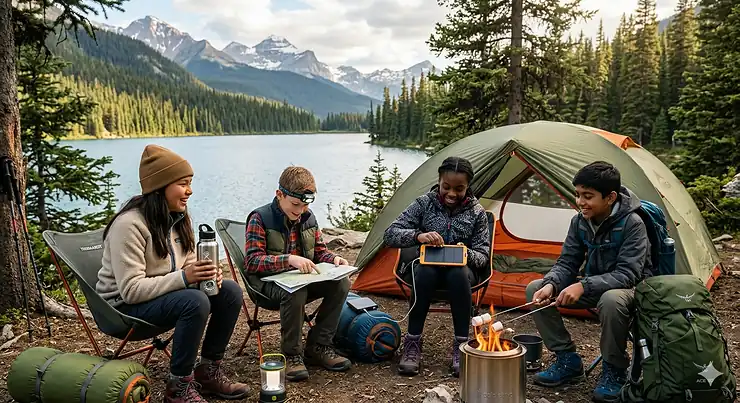
Getting your tween excited about camping starts with the right gear—equipment that actually fits their 10-12 year old bodies, not hand-me-downs from adult kits. After spending countless weekends at Ontario Provincial Parks and speaking with outdoor educators across British Columbia, I’ve learned that tweens need gear that bridges the gap between “little kid” equipment and full adult specifications. The challenge? Finding products that accommodate their rapid growth spurts while delivering reliable performance during Canadian camping conditions—from Maritime summer humidity to Prairie temperature swings.
What makes camping gear for this age group tricky is that tweens are developing their independence. They want gear that looks cool, feels grown-up, and lets them handle tasks without constant adult supervision. In this comprehensive guide, I’ll walk you through the top camping gear for tweens available on Amazon.ca in 2026, with expert commentary on what actually works for Canadian families. You’ll discover sleeping bags rated for our cooler nights, backpacks sized for growing torsos, and safety equipment that gives both kids and parents peace of mind. Every product recommendation includes practical interpretation of specs—because knowing a sleeping bag is rated to 7°C means nothing unless you understand how that translates to sleeping comfortably at Algonquin in September.
Quick Comparison: Top Camping Gear for Tweens at a Glance
| Product Category | Best For | Key Feature | Price Range (CAD) | Amazon.ca Available |
|---|---|---|---|---|
| Coleman Kids Sleeping Bag | Three-season camping | 7-10°C comfort rating | $45-$75 | ✅ Yes |
| LED Headlamp (Youth) | Hands-free lighting | 150-300 lumen output | $20-$45 | ✅ Yes |
| Youth Hiking Backpack | Day hikes & overnights | 18-25L capacity | $60-$120 | ✅ Yes |
| Compact First Aid Kit | Emergency preparedness | 100-150 pieces | $25-$50 | ✅ Yes |
| Insulated Water Bottle | Hydration | 500-750ml capacity | $20-$45 | ✅ Yes |
| Kids Camping Lantern | Campsite lighting | USB rechargeable | $15-$35 | ✅ Yes |
| Camping Chair (Youth) | Comfort at campsite | Lightweight folding | $30-$60 | ✅ Yes |
Looking at this comparison, the Coleman sleeping bag delivers exceptional value in the under-$75 CAD category, especially considering how Canadian spring and fall temperatures can drop unexpectedly overnight. For tweens who lose or damage gear frequently, the mid-range LED headlamps around $25-$35 CAD offer the sweet spot—durable enough to last multiple seasons but affordable enough to replace without breaking the family budget. Canadian buyers should note that backpack sizing is critical at this age; a pack that’s too large causes poor weight distribution and back strain, while one that’s too small won’t accommodate the extra layers needed for our variable climate.
💬 Just one click — help others make better buying decisions too!😊
Top 7 Camping Gear for Tweens: Expert Analysis
1. Coleman Kids 50°F/10°C Sleeping Bag
The Coleman Kids Sleeping Bag stands out as the go-to choice for Canadian tweens camping in three-season conditions. With its 50°F (10°C) comfort rating and ThermoTech insulation, this bag handles everything from June campouts in Saskatchewan to early September trips in the Maritimes. The rectangular shape (measuring 165cm x 66cm) provides enough room for growing kids without the excess bulk that causes cold spots in mummy bags they haven’t grown into yet.
What most Canadian buyers overlook about this model is its ZipPlow zipper system—a game-changer when your tween is fumbling with the zipper in dim morning light at 6 AM. The snag-free design means fewer frustrating moments and torn fabric. The comfort cuff surrounding the face keeps scratchy zipper hardware away from sensitive skin, while the interior tuck pocket gives tweens a secure spot for their headlamp or glasses. At around $50-$70 CAD on Amazon.ca, this bag delivers reliable performance without the premium price tag of brands like North Face or Marmot.
Customer feedback from Canadian reviewers consistently praises the bag’s ability to handle cool Maritime nights and its machine-washable construction—critical when camping with tweens who inevitably spill hot chocolate or track mud into their sleeping area. The glow-in-the-dark accents aren’t just fun; they genuinely help kids locate their bag when stumbling around the tent after dark.
✅ Pros: Durable ThermoTech insulation, snag-free zipper, machine washable
✅ Pros: Fits tweens up to 152cm tall, affordable price point
✅ Pros: Includes compression stuff sack
❌ Cons: Not suitable for winter camping below 0°C
❌ Cons: Heavier than ultralight backpacking bags (about 1.4 kg)
Price range: Around $50-$70 CAD depending on availability. This represents solid value for families who camp 5-10 nights per season—you’re looking at roughly $7-$10 per outing in the first year alone.
2. EverBrite 5-Pack LED Headlamp
For families with multiple tweens or those who want backup lighting options, the EverBrite 5-Pack LED Headlamp offers unbeatable value on Amazon.ca. Each headlamp delivers 300 lumens on high mode—bright enough to navigate wooded campground paths safely while still being gentle enough not to blind fellow campers. What makes these ideal for the tween age group is the memory function: hold the button for 2+ seconds to turn off, and the headlamp remembers your last brightness setting when powered back on.
The practical reality of headlamps at Canadian campsites means dealing with early sunsets (especially in fall) and morning bathroom runs while it’s still dark. These headlamps feature 5 modes including white spotlight, floodlight, and red/green modes—the red mode preserves night vision while checking tent stakes or finding items without waking tent-mates. The adjustable elastic strap fits tweens’ smaller head circumferences (48-58cm typical for this age) far better than adult models that slip down constantly.
Each headlamp runs on 3 AAA batteries and delivers 4 hours on high or 10 hours on medium—enough for a full weekend camping trip plus some spare capacity. Canadian reviewers specifically mention using these during late October camping in Ontario when sunset hits around 6 PM, noting the headlamps lasted through dinner prep, evening activities, and morning routines without battery changes.
✅ Pros: Memory function reduces fumbling with multiple modes
✅ Pros: Multi-pack provides backups/extras for $30-$40 CAD total
✅ Pros: Red mode preserves night vision
❌ Cons: Requires AAA batteries (not rechargeable)
❌ Cons: Slightly heavier than single-LED minimalist models
Price range: Around $30-$42 CAD for the 5-pack. Break that down to $6-$8.50 per headlamp—you won’t find better value for reliable youth camping lights anywhere on Amazon.ca.
3. Osprey Jet 18 Youth Backpack
The Osprey Jet 18 bridges the gap between children’s daypacks and adult hiking packs perfectly for tweens aged 10-12. With 18 litres of capacity, it’s sized for day hikes carrying water, snacks, rain jacket, and a small first aid kit—exactly what your tween needs without the temptation to overpack. The AirScape backpanel technology is where Osprey’s engineering shines: instead of a sweaty back against solid foam, the suspended mesh panel creates airflow that’s crucial during humid summer hikes in Quebec or muggy trail conditions in southern Ontario.
The torso length adjusts from 36-43cm, meaning this pack grows with your tween over 2-3 years rather than being outgrown in one season. That adjustability saves Canadian families significant money—at roughly $85-$110 CAD on Amazon.ca, you’re investing in a pack that accommodates growth spurts instead of buying new gear annually. The integrated hydration sleeve fits a 2-litre reservoir (sold separately), teaching tweens proper hydration habits while hiking in Canadian backcountry where water sources may be hours apart.
What parents appreciate most is the simplicity—a large main compartment accessed via bucket-style opening, one external pocket, and side mesh pockets for water bottles. There’s no confusing array of straps and compression systems that tweens forget to use. Canadian outdoor educators I’ve spoken with specifically recommend this pack for school group trips because kids can operate all the features independently.
✅ Pros: Adjustable torso length (36-43cm) grows with tweens
✅ Pros: AirScape ventilation prevents sweat-soaked backs
✅ Pros: Hydration compatible for teaching proper water consumption
❌ Cons: Higher price point ($85-$110 CAD)
❌ Cons: External pockets limited compared to adult models
Price range: $85-$110 CAD. While pricier than generic options, the multi-year usability and Osprey’s “All Mighty Guarantee” repair policy make this a smart investment for active Canadian families.
4. Compact 150-Piece First Aid Kit
Every responsible Canadian parent knows that wilderness first aid is different from urban emergencies—help is farther away, conditions are more challenging, and tweens are prone to scrapes, blisters, and insect bites. The 150-Piece Compact First Aid Kit available on Amazon.ca packs essential medical supplies into a water-resistant EVA case measuring approximately 20cm x 13cm x 7.5cm—small enough for a backpack side pocket but comprehensive enough for real emergencies.
What distinguishes quality first aid kits from cheap knockoffs is the inclusion of items you’ll actually use: fabric bandages that stick during sweaty activities, alcohol prep pads that haven’t dried out, medical tape that adheres in humid conditions, and scissors sharp enough to cut through clothing if needed. This kit includes basics like gauze pads, antiseptic wipes, tweezers for splinters (constant issue with wooden dock camping), and emergency blankets. For Canadian camping specifically, you’ll want to supplement with insect bite relief—our mosquitoes and black flies are legendary—and consider adding children’s pain reliever appropriate for your tween’s age and weight.
The hard-shell case protects contents from getting crushed in backpacks and provides organization through mesh pockets—critical when you need something quickly during an emergency. Canadian reviewers camping in remote areas of Manitoba and Northern Ontario emphasize that having a well-stocked kit provides peace of mind when the nearest medical facility is 2+ hours away.
✅ Pros: Water-resistant EVA case protects in wet conditions
✅ Pros: Organized mesh compartments for quick access
✅ Pros: Comprehensive 150-piece count covers common injuries
❌ Cons: Doesn’t include medication (add your own children’s pain reliever)
❌ Cons: May need supplementing with insect bite treatment for Canadian camping
Price range: Around $25-$40 CAD. Check expiration dates upon arrival and replace used items after each camping season to maintain readiness.
5. Nalgene 500ml Wide Mouth Water Bottle
Hydration makes or breaks a camping trip with tweens—dehydration causes headaches, irritability, and reduced enjoyment. The Nalgene 500ml Wide Mouth Bottle solves multiple problems simultaneously: it’s virtually indestructible (critical with drop-prone tweens), dishwasher safe (parents love this), completely leak-proof when closed, and the wide mouth opening accommodates ice cubes and makes cleaning effortless.
The 500ml capacity is ideal for tweens—large enough to reduce constant refill trips but small enough that they’ll actually carry it rather than leaving it at the campsite. The measurement markings printed on the side help kids track their intake and learn to recognize proper hydration levels during activities. Canadian camping often involves significant temperature fluctuations; this BPA-free bottle handles freezing overnight without cracking and tolerates boiling water for hot chocolate on chilly September mornings in the Rockies.
What Nalgene gets right for the tween demographic is durability without excessive weight. At around $15-$22 CAD on Amazon.ca, these bottles survive multiple seasons of being dropped on rocks, left in direct sun, and tossed into backpacks with no special protection. The wide mouth also makes adding drink mixes easy—important when you’re trying to encourage a reluctant hiker to drink more water on hot July afternoons in Banff.
✅ Pros: Virtually indestructible Tritan plastic
✅ Pros: Wide mouth simplifies filling and cleaning
✅ Pros: Graduated measurements teach hydration awareness
❌ Cons: Not insulated (liquid temperature matches air temperature)
❌ Cons: Wide mouth can splash when hiking on rough terrain
Price range: $15-$22 CAD depending on colour and availability. For families buying multiple bottles, watch for multi-pack deals that reduce per-unit cost.
6. USB Rechargeable LED Camping Lantern
When sunset arrives at 8:30 PM at a British Columbia campground and your tween still has dishes to wash and s’mores to make, reliable lighting becomes essential. The USB Rechargeable LED Camping Lantern eliminates the battery expense and environmental waste of disposable cell lanterns while providing 4-6 hours of soft, adjustable light on a single 2-hour charge.
These compact lanterns (typically 13cm tall x 8cm diameter) hang from tent ceiling loops, sit on picnic tables, or clip to backpack straps using the integrated carabiner hook. The dimmable feature is crucial—full brightness for task lighting during camp setup, medium for evening card games, and low for nighttime tent lighting that doesn’t destroy everyone’s sleep. Many models include 3-4 colour temperature options (cool white, neutral white, warm yellow, and breathing/SOS mode), with warm yellow being ideal for reducing insect attraction during Prairie summer camping.
What makes these particularly suitable for tweens is the USB-C charging—the same cable that charges their devices charges the lantern. Canadian families camping at sites with electrical hookups appreciate being able to top up the lantern daily. For backcountry trips, a portable power bank (which many families already carry for phones) provides multiple recharges. The built-in battery protection prevents overcharging damage, extending the lantern’s lifespan to 3-4 years with regular use.
✅ Pros: USB-C rechargeable eliminates battery costs
✅ Pros: 4-6 hours runtime sufficient for evening activities
✅ Pros: Dimmable output and multiple colour temperatures
❌ Cons: Requires charging infrastructure or power bank
❌ Cons: Not as bright as gas-powered lanterns (but safer for tweens)
Price range: $15-$30 CAD. The higher-end models around $25-$30 typically include better battery capacity and more durable housings that survive being knocked off tables.
7. Youth Camping Chair (Lightweight Folding)
After a day of hiking, swimming, and exploring, tweens need comfortable seating that’s actually sized for their frames—not adult chairs where their feet dangle or kiddie chairs that collapsed under their weight two years ago. The Youth Camping Chair category offers folding designs with 50-70kg weight capacity, seat heights around 30-35cm (versus 40-45cm for adult models), and compact folded dimensions that fit into car trunks alongside other gear.
Quality youth chairs use powder-coated steel frames that resist rust in our humid Canadian climates and 600D polyester fabric that dries quickly after rain showers. The cup holder integrated into the armrest prevents drink spills—a small feature that significantly improves the camping experience when your tween is balancing dinner plate, flashlight, and bug spray. Look for models with carrying bags that include shoulder straps; tweens are more likely to transport their own chairs when it’s easy rather than leaving them for parents to haul.
What Canadian families camping at sites like Killarney Provincial Park or Jasper National Park appreciate most is durability. Chairs rated for 50kg that actually survive 60kg tweens during growth spurts, frames that don’t bend when kids lean back, and fabric that resists tears from catching on tent stakes. At around $30-$55 CAD on Amazon.ca, these chairs last 3-4 camping seasons before wear necessitates replacement.
✅ Pros: Youth-sized height and width fit growing bodies
✅ Pros: Included carrying bag with strap promotes independence
✅ Pros: Cup holder prevents drink spills
❌ Cons: Limited weight capacity (typically 50-70kg maximum)
❌ Cons: Less comfortable than premium adult zero-gravity chairs
Price range: $30-$55 CAD. Mid-range options around $40 offer the best balance of durability, comfort, and multi-season lifespan for active tweens.
How to Choose Camping Gear for Tweens: First-Time Camping Success Guide
Choosing camping gear for the 10-12 age bracket requires different considerations than buying for younger children or teenagers. Your tween is developing independence and wants gear that looks and functions like adult equipment, but their bodies are still growing rapidly—what fits perfectly in June may be too small by September. Start by prioritizing safety and comfort: a good sleeping bag rated for Canadian overnight temperatures (remember that our “summer” nights can drop to 5-10°C in many provinces) and a properly fitted backpack that won’t cause back strain are non-negotiable. From there, build your kit around skill development and independence.
The mistake I see most Canadian parents make is buying adult gear on sale and expecting their tween to “grow into it.” A 50-litre backpack might seem like good value, but when it causes shoulder pain because the torso length is wrong, your tween develops negative associations with hiking. Instead, invest in adjustable youth-specific gear that accommodates 2-3 years of growth spurts. The Osprey backpacks, for example, have torso adjustment systems that add 7-8cm of range—enough to take a tween from age 10 to 13 comfortably.
Also consider the “cool factor” from your tween’s perspective. Gear with glow-in-the-dark elements, modern colours (not babyish cartoon characters), and features that mirror adult equipment helps build their confidence and enthusiasm. The Coleman sleeping bags with glow-in-the-dark designs strike this balance perfectly—functional for parents, appealing to tweens. Finally, teach your tween to maintain their gear: how to clean a sleeping bag, properly adjust pack straps, replace headlamp batteries, and check first aid kit expiration dates. These skills build outdoor competence and respect for equipment.
Common Mistakes When Buying Camping Gear for Tweens
The number one mistake Canadian parents make is assuming “kids’ gear” from big box stores will suffice for real camping. That $20 sleeping bag might work for backyard sleepovers, but at Writing-on-Stone Provincial Park in Alberta when temperatures drop to 8°C overnight, your tween will be miserable and cold. Temperature ratings matter enormously in our climate; a bag rated to 10°C means that’s the survival limit, not the comfort zone. For actual sleeping comfort, you want a bag rated at least 5 degrees lower than expected nighttime temperatures—so for typical Canadian summer camping (10-15°C overnight), a bag rated to 5-7°C provides comfortable sleep.
Another critical error is ignoring proper fit, particularly with backpacks. I’ve watched families at Ontario Parks campgrounds where tweens struggle with adult packs, the hip belt floating uselessly because their torso is too short, all the weight crushing down on shoulders. This causes pain, reduces stamina, and can lead to actual injury with repeated use. Measure your tween’s torso length (from the C7 vertebra at the base of the neck to the top of the hip bones) and match it to manufacturer specifications. Most youth packs accommodate 36-46cm torso lengths; adult packs start around 40cm and go up from there. That 4cm difference dramatically affects carrying comfort.
Canadians also frequently underestimate the durability required for camping gear. Tweens are rough on equipment—dropping headlamps, sitting on water bottles, dragging chairs across rocky ground. Cheap gear fails quickly, creating safety hazards (broken zippers on sleeping bags, cracked plastic on lanterns) and requiring replacement purchases that ultimately cost more than buying quality initially. Focus on well-reviewed brands with robust construction: metal zippers instead of plastic, reinforced stress points on backpacks, hard-shell cases for first aid kits. The extra $15-$25 upfront investment pays for itself when the gear survives three camping seasons instead of one.
Essential Safety Tips for Tween Campers in Canada
Canadian wilderness presents specific safety considerations that differ from backcountry in other countries. Our wildlife—bears, moose, coyotes—requires proper food storage protocols. Teach your tween that ALL scented items (food, toothpaste, sunscreen, lip balm) must be stored in bear-proof containers or hung from trees in bear bags. Never allow snacks in sleeping tents. Parks Canada provides excellent resources on their official camping safety page, including wildlife encounter protocols that every tween should memorize before heading into national parks.
Water safety is equally critical. Canadian lakes and rivers can be deceptively cold (hypothermia risk exists even in July in some regions), and currents in rivers are stronger than they appear. The rule for tweens: always wear a properly fitted life jacket around water, never swim alone, and understand that swimming ability in a heated pool doesn’t translate to open water with waves, cold temperatures, and uneven lake bottoms. Many provinces prohibit children under 14 from operating watercraft without adult supervision—check local regulations before your trip.
Weather in Canada changes rapidly, particularly in mountain and Prairie regions. A sunny 22°C morning can deteriorate into a 12°C afternoon with rain within hours. Layer systems are essential: base layer (moisture-wicking), mid-layer (fleece or synthetic insulation), outer layer (waterproof shell). Teach your tween to add/remove layers before they become soaked with sweat or start shivering. Hypothermia begins when core temperature drops even slightly; early signs include shivering, confusion, and poor coordination. The Government of Canada provides comprehensive camping regulations and safety standards through their tent safety guidelines, covering everything from fire safety to proper equipment usage.
Building Independence: Age-Appropriate Camping Skills
The tween years (10-12) represent a critical window for developing outdoor competence and self-reliance. At this age, kids have the cognitive ability to learn complex skills like navigation, fire safety, and emergency protocols, while still being enthusiastic about mastering new challenges. Start with basic orientation: teach your tween to use a physical compass (smartphones die; compasses don’t), read topographic maps specific to your camping area, and identify key landmarks. Practice this at home using neighbourhood walks before relying on these skills in wilderness settings.
Fire safety skills are age-appropriate for tweens under supervision. They should understand the fire triangle (heat, fuel, oxygen), know how to build a proper fire lay with tinder/kindling/fuel wood, and practice fire safety protocols: keeping long hair tied back, never leaving fires unattended, ensuring complete extinguishment before bed. Many provincial parks in Canada have specific fire regulations—some prohibit ground fires entirely, requiring elevated fire pans or restricting fires to provided rings. Check regulations for your destination and involve your tween in compliance. This teaches respect for environmental regulations and the “why” behind rules, not just blind obedience.
Emergency preparedness transforms tweens from passengers to partners in outdoor adventures. Create a simple emergency protocol card they carry: what to do if separated from the group (stay put, use whistle, three of anything signals distress), how to use basic first aid items in their kit, when to seek adult help versus handling independently. Role-play scenarios: “You’ve twisted your ankle 2 kilometres from camp. What do you do?” Teaching decision-making frameworks—assess the situation, consider options, choose action, evaluate outcome—builds competence that transfers to all aspects of life, not just camping.
Seasonal Camping Gear Considerations Across Canada
Canadian camping spans four distinct seasons in most provinces, with each presenting unique gear requirements. Spring camping (April-May in southern regions, June in northern areas) means dealing with unpredictable weather, melting snow creating muddy conditions, and nighttime temperatures that can still drop below freezing. For spring trips, prioritize waterproof gear: rain shells with sealed seams, waterproof stuff sacks for sleeping bags, and extra tarps for creating dry areas around camp. Sleeping bags should be rated to at least 0°C for spring camping; that 10°C-rated summer bag won’t cut it when May nights in Manitoba hover around 3-5°C.
Summer (June-August) offers the most forgiving conditions but introduces different challenges—namely insects. Black flies, mosquitoes, deer flies, and ticks are relentless in Canadian wilderness from June through mid-August. Gear considerations include bug-proof tent screens (inspect for holes before trips), DEET-containing insect repellent for serious protection (picaridin for those wanting DEET alternatives), and light-coloured clothing that doesn’t attract insects as readily. The Canadian Dermatology Association recommends 30% DEET for children over 12 years, applied sparingly to exposed skin. Combine this with permethrin-treated clothing for comprehensive protection during bug season.
Fall camping (September-October) delivers spectacular foliage and fewer crowds but requires serious preparation for temperature drops. Nights can hit freezing in many regions by late September; days may still reach 15-20°C, creating a 15-degree+ swing. This demands adaptable gear: sleeping bag rated to -5°C minimum, multiple layer options, and understanding that condensation inside tents becomes more problematic as temperatures drop. Fall camping also means shorter daylight hours (sunset at 6 PM by mid-October in many areas), necessitating reliable lighting systems. Winter camping requires specialized gear beyond this guide’s scope, but know that proper four-season equipment is essential for safety when camping in snow conditions.
Leave No Trace Principles for Young Campers
Teaching Leave No Trace principles during the tween years establishes lifetime environmental ethics. The core concept is simple: the wilderness should appear untouched after your visit, as if you were never there. For tweens, make this tangible through specific actions rather than abstract concepts. Pack out ALL trash, including apple cores and orange peels—yes, they’re organic, but they don’t naturally occur in Canadian boreal forests and alter wildlife behaviour when animals develop food associations with human camping areas. Use the “pack it in, pack it out” rule: if it came with you, it leaves with you.
Campfire impact is particularly relevant in Canada where wildfire risk is significant and increasing with climate change. Teach your tween to use established fire rings only, never create new fire pits that scar landscapes. Keep fires small (the size needed to cook or provide warmth, not massive bonfires), burn only dead and downed wood (never cut live trees or branches), and ensure complete extinguishment—fires should be cold to touch before leaving. Many Canadian wilderness areas prohibit fires entirely during high-risk periods; respecting these bans protects forests and wildlife habitat.
Wildlife interaction principles: observe from distance, never feed animals (intentionally or by leaving food accessible), and understand that “getting closer for a better photo” endangers both you and the animal. In national parks, this is legally enforced—approaching bears, elk, moose, or other wildlife within specified distances results in fines. Teach tweens that wild animals aren’t entertainment; they’re dangerous apex predators or large ungulates that injure more park visitors than bears annually. Keep camps clean, store food properly according to Parks Canada guidelines, and leave wildlife wild. These habits protect Canadian ecosystems for future generations while keeping families safe during current trips.
Cost Breakdown: Outfitting a Tween for Canadian Camping
Realistically, outfitting a tween with quality camping gear from scratch represents a $300-$550 CAD investment depending on how much you prioritize durability and multi-season usability. Here’s a practical breakdown for essential items purchased through Amazon.ca:
Core Sleep System: Coleman Kids Sleeping Bag ($50-$70), sleeping pad ($30-$50), stuff sack ($10-$15) = $90-$135 CAD total. This covers three-season camping comfortably. Add a sleeping bag liner ($20-$30) for extended temperature range and easier washing.
Daytime Essentials: Youth backpack like the Osprey Jet 18 ($85-$110), Nalgene water bottle ($15-$22), camping chair ($30-$55) = $130-$187 CAD total. These items see daily use and benefit from quality construction that survives abuse.
Lighting & Safety: LED headlamp ($7-$15 if buying single from multi-pack), rechargeable lantern ($15-$30), first aid kit ($25-$40), whistle ($5-$10) = $52-$95 CAD total. Don’t skimp on safety items—the $15 difference between cheap and quality first aid kits could matter during emergencies.
Optional But Highly Recommended: Rain jacket ($40-$80), quick-dry towel ($15-$25), insect repellent ($12-$18), sunscreen ($15-$20), headnet for bugs ($8-$12) = $90-$155 CAD total.
Total investment: approximately $362-$572 CAD for complete outfitting. This seems substantial, but consider the cost-per-use: if your family camps 8 weekends per year, and this gear lasts 3 seasons, you’re paying roughly $15-$24 per camping trip for your tween’s complete kit. Compare that to renting equipment (where available) at $30-$50+ per trip, and buying quality gear represents significant savings while building a library of equipment that can be passed to younger siblings or friends.
For families on tight budgets, prioritize the sleep system and safety items first. A tween can manage with a school backpack for day hikes initially, but a proper sleeping bag rated for Canadian temperatures and a functional first aid kit aren’t optional. Build the full kit over 2-3 seasons as budget allows, watching for Amazon.ca sales during spring (March-April pre-season) and fall (September-October end-of-season clearance).
Camping Gear Maintenance for Long-Term Value
Quality gear lasts multiple seasons only with proper maintenance. Start with sleeping bags—the most expensive single item in a tween’s camping kit. Never store sleeping bags compressed in stuff sacks between trips; compression damages insulation over time. Instead, hang bags loosely in closets or store in large mesh bags that allow loft to recover. Wash sleeping bags only when actually dirty (2-3 times per season maximum) using front-loading machines on gentle cycle with specialized down or synthetic cleaner. Top-loading agitators damage baffles and insulation. Air-dry flat or hang on clothesline; dryer heat degrades fabrics and melts synthetic fills.
Backpacks accumulate dirt, sweat, food residue, and bacteria from sweaty backs during Canadian summer humidity. Clean packs after each major trip: empty all pockets completely (check for granola bar wrappers and candy that attract mice during storage), brush off dirt, spot-clean using mild soap and water, then air-dry fully before storage. Check zippers for debris, lubricate if sticky, and inspect stress points (shoulder strap attachments, hip belt connection points) for wear. Small tears repaired immediately with seam sealer or patches prevent catastrophic failures mid-trip.
Water bottles, headlamps, and lanterns require different care. Nalgene bottles should be washed with hot soapy water and air-dried completely to prevent mold growth. Headlamps and lanterns: remove batteries if storing longer than 2 weeks (corrosion from battery leakage destroys electronics), wipe lenses clean, and test functionality before each trip. First aid kits need quarterly checks: replace expired items, restock used supplies, and verify that adhesive on bandages hasn’t dried out. Create a simple spreadsheet tracking expiration dates for medications and sterile items. This 30-minute quarterly maintenance session ensures your kit performs when needed rather than discovering expired supplies during an emergency 4 hours from the nearest pharmacy.
❓ Frequently Asked Questions
❓ What sleeping bag temperature rating do I need for summer camping in Canada?
❓ Can tweens use adult camping gear or should I buy youth-specific products?
❓ What's the most important piece of camping gear for first-time tween campers?
❓ How do I know if camping gear from Amazon.ca will actually ship to remote Canadian areas?
❓ What's the difference between kids' camping gear and tween-specific equipment?
Conclusion: Setting Up Your Tween for Camping Success
Choosing the right camping gear for your tween isn’t just about buying equipment—it’s about fostering independence, building outdoor skills, and creating positive experiences that develop into lifelong appreciation for Canadian wilderness. The products reviewed here represent the sweet spot between youth-sized gear and adult functionality, providing tweens with equipment they can operate confidently while delivering the performance required for our unique Canadian camping conditions.
Remember that the best camping gear is gear that actually gets used. Involve your tween in the selection process, explaining what different specs mean for their comfort and safety. When they understand why a sleeping bag’s temperature rating matters or how proper backpack fit prevents shoulder pain, they develop ownership over their equipment and take better care of it. Start with the essentials—sleeping bag, backpack, lighting, first aid—then build your kit over time as budget allows and your family’s camping frequency increases.
Canadian camping offers unparalleled opportunities for family bonding, environmental education, and adventure. Whether you’re exploring the rugged coastline of Newfoundland, paddling Ontario’s interior lakes, or hiking Rocky Mountain trails, properly equipped tweens can fully participate in these experiences rather than merely enduring them. The investment in quality gear pays dividends in comfort, safety, and enthusiasm for outdoor activities that extend well beyond the tween years into adolescence and adulthood.
Recommended for You
- Best Youth Sleeping Bags Under $100 Canada 2026
- 7 Best Geocaching Starter Kits for Kids Canada 2026
- Top Rated Kids Binoculars Canada: 7 Best Picks 2026
Disclaimer: This article contains affiliate links. As an Amazon Associate, I earn from qualifying purchases. If you purchase products through these links, we may earn a small commission at no additional cost to you.
✨ Found this helpful? Share it with your friends! 💬🤗
