In This Article
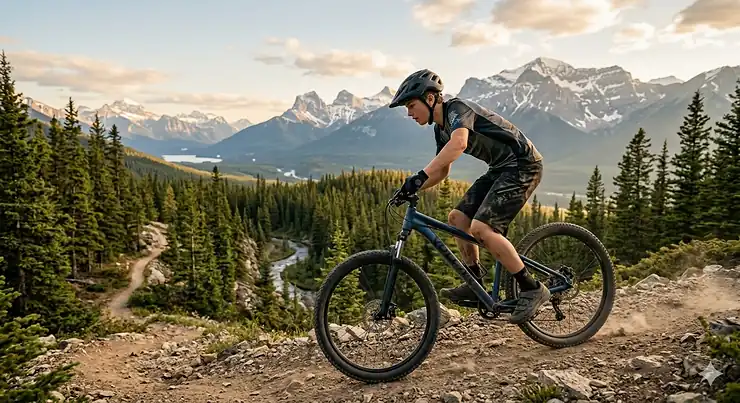
Picture this: your tween bouncing with excitement as they unwrap their first real mountain bike. You’ve done the research, compared dozens of options, and finally found that sweet spot between quality and affordability. That’s exactly what we’re here to help you achieve.
Finding a value youth mountain bike in Canada doesn’t mean sacrificing quality for price. It means discovering bikes that deliver genuine performance, durability, and safety features without the premium price tag of high-end models. With the Canadian outdoor cycling season extending from spring through autumn in most regions, and year-round in milder coastal areas, investing in the right bike can transform your child’s relationship with the outdoors.
The modern mountain bike is specifically designed for off-road cycling, incorporating features like suspension forks, large knobby tires, durable wheels, powerful brakes, and wide handlebars to enhance performance over rough terrain. For youth riders, these features translate into confidence-building capabilities that help them tackle neighbourhood trails, school commutes, and weekend adventures with their friends.
What makes 2026 an exciting time to buy? Canadian retailers and Amazon.ca have expanded their inventory with budget-friendly options that previously were only available at specialty bike shops. You’re no longer forced to choose between a department store bike that’ll fall apart after three rides or a $800 CAD model that’ll be outgrown in two seasons. The middle ground has never been more accessible.
Quick Comparison Table: Top Value Youth Mountain Bikes
| Bike Model | Wheel Size | Speeds | Price Range (CAD) | Best For | Rating |
|---|---|---|---|---|---|
| HILAND 24″ Youth MTB | 24 inches | 7-speed | $250-$290 | Beginners, ages 7-12 | ⭐⭐⭐⭐ |
| JOYSTAR Contender 20″ | 20 inches | 7-speed | $270-$310 | Younger tweens, 7-10 years | ⭐⭐⭐⭐ |
| Diamondback Octane 24 | 24 inches | Single-speed | $280-$300 | Simple maintenance | ⭐⭐⭐⭐ |
| HILAND Fat Tire 20″ | 20 inches | 7-speed | $290-$330 | All-terrain, Canadian winters | ⭐⭐⭐⭐½ |
| Schwinn High Timber 24 | 24 inches | 21-speed | $320-$380 | Growing riders | ⭐⭐⭐⭐ |
| JOYSTAR Lubbock 24″ | 24 inches | 7-speed | $260-$295 | Value seekers | ⭐⭐⭐⭐ |
| CYBIC 20″ Youth MTB | 20 inches | 21-speed | $240-$275 | Budget-conscious families | ⭐⭐⭐½ |
💬 Just one click – help others make better buying decisions too!😊
✨ Don’t Miss These Exclusive Deals!
🔍 Take your youth mountain biking experience to the next level with these carefully selected products available in Canada. Click on any highlighted item to check current pricing and availability on Amazon.ca. These bikes will help create authentic outdoor adventures your tween will love!
Top 7 Value Youth Mountain Bikes: Expert Analysis
1. HILAND 24 Inch Youth Mountain Bike
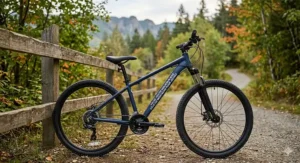
The HILAND 24 Inch Youth MTB has become something of a legend among Canadian parents seeking that elusive balance between affordability and actual performance. At $250-$290 CAD, this bike punches well above its weight class.
Key Specifications:
- High-carbon steel frame with front suspension fork
- 7-speed Shimano drivetrain with grip shifters
- V-brakes front and rear
- 1.95″ wide tires for versatile terrain handling
Canadian buyers consistently praise this bike’s assembly process—arriving 85% pre-assembled with all necessary tools included. One Ontario parent noted, “My 10-year-old was riding within 30 minutes of the box arriving.” The suspension fork genuinely absorbs bumps on forest trails, while the 7-speed system gives young riders enough range to tackle both flat paths and moderate hills.
Pros:
✅ Excellent value for entry-level mountain biking
✅ Proper Shimano components that actually work
✅ Suitable for heights 51″-59″ (130-150 cm)
Cons:
❌ Steel frame makes it heavier than aluminum models
❌ V-brakes require more hand strength than disc brakes
2. JOYSTAR Contender 20 Inch Kids Mountain Bike
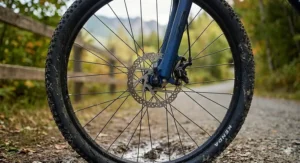
For younger tweens in the 7-10 age bracket, the JOYSTAR Contender 20″ delivers impressive capability in a smaller package. Priced at $270-$310 CAD, it features full dual-suspension that’s rare in this price category.
Key Specifications:
- Steel dual-suspension frame
- 7-speed Shimano drivetrain
- Front and rear disc brakes (select models)
- Kickstand included
What sets the JOYSTAR Contender apart is its attention to kid-specific ergonomics. The handlebars and brake levers are sized for smaller hands, which BC parents report makes a noticeable difference in their children’s confidence. One Vancouver family mentioned their daughter rides year-round except during heavy rain, testament to the bike’s durability in coastal weather conditions.
Pros:
✅ Dual suspension at this price point is impressive
✅ Smaller grip design perfect for tweens
✅ Ships free across Canada via Amazon Prime
Cons:
❌ Dual suspension adds weight
❌ Some assembly required for optimal performance
3. Diamondback Bicycles Octane 24
The Diamondback Octane 24 takes a different approach: simplicity done right. At $280-$300 CAD, this single-speed hardtail focuses on lightweight aluminum construction and bombproof reliability.
Key Specifications:
- Lightweight aluminum frame
- 24-inch wheels
- Single-speed drivetrain
- Linear-pull brakes
For young children learning bike control, proper sizing is critical—they should be able to straddle the bike with both feet on the ground, as a bike that’s too big or too small is a safety hazard. The Diamondback Octane excels here with its lower standover height. Prairie provinces families appreciate the single-speed design during harsh winters—fewer moving parts mean less maintenance and nothing to freeze up.
Pros:
✅ Aluminum frame significantly reduces weight
✅ Virtually maintenance-free single-speed
✅ Trusted brand with excellent Canadian customer service
Cons:
❌ No gearing limits hill climbing ability
❌ Less versatile for varied terrain
4. HILAND 20 Inch Fat Tire Mountain Bike
Canadian winters demand special consideration, which makes the HILAND Fat Tire 20″ a standout at $290-$330 CAD. Those 3-inch wide tires aren’t just for show—they transform how the bike handles snow, mud, and loose gravel.
Key Specifications:
- High-carbon steel frame
- 3-inch fat tires
- 7-speed drivetrain
- Dual disc brakes
Manitoba parents rave about this bike’s year-round capabilities. One Winnipeg dad reported, “My son rides to school even after light snowfalls, and the fat tires just plow through.” The dual disc brakes provide consistent stopping power in wet conditions, addressing one of the key safety concerns for Canadian cycling, where helmet use and proper braking systems are emphasized as critical safety factors.
Pros:
✅ Exceptional traction in Canadian weather conditions
✅ Disc brakes work reliably in rain and snow
✅ Beach and trail versatility
Cons:
❌ Heavier than standard mountain bikes
❌ Fat tires create more rolling resistance on pavement
5. Schwinn High Timber 24 Youth Mountain Bike
Schwinn has been building bikes since before your great-grandparents learned to ride, and that heritage shows in the High Timber 24, priced at $320-$380 CAD. The 21-speed system gives growing riders room to develop their skills.
Key Specifications:
- Steel mountain frame
- 21-speed Shimano drivetrain
- Front suspension fork
- Alloy linear-pull brakes
The 21-speed setup might seem excessive for a youth bike, but Ontario trail riders disagree. Parents report their kids genuinely use the full range of gears as they progress from neighbourhood rides to actual mountain biking trails. Free shipping on Amazon.ca makes this premium option more accessible to families across Canada’s remote regions.
Pros:
✅ Genuine mountain bike capability for progression
✅ Schwinn’s customer support serves Canadian riders
✅ 21-speed system grows with rider skill
Cons:
❌ Higher price point
❌ Complex gearing requires learning curve
6. JOYSTAR Lubbock 24 Inch Kids Mountain Bike
The JOYSTAR Lubbock 24″ at $260-$295 CAD represents JOYSTAR’s philosophy: deliver everything tweens actually need without unnecessary bells and whistles. The result is exceptional value.
Key Specifications:
- Steel hardtail frame
- 7-speed drivetrain
- White-wall knobby tires
- Kickstand and reflectors included
Quebec parents particularly appreciate the included safety features—reflectors and a functional kickstand come standard, addressing Canadian bicycle safety requirements that emphasize visibility through reflectors and lights, especially important given Canada’s earlier sunsets in fall and winter months. The white-wall tires add vintage style that tweens love.
Pros:
✅ Complete package with all necessary accessories
✅ Stylish design appeals to image-conscious tweens
✅ 7-speed strikes perfect balance
Cons:
❌ Steel frame is heavier than competitors
❌ White-wall tires require more cleaning
7. CYBIC 20 Inch Youth MTB Bicycle
Budget-conscious families shouldn’t overlook the CYBIC 20″ at $240-$275 CAD. While it makes some compromises, the iron frame construction and 21-speed system deliver surprising capability.
Key Specifications:
- Durable iron frame
- 21-speed gear system
- Front suspension fork
- Dual mechanical disc brakes
Alberta reviewers note the bike’s robustness stands up to prairie riding conditions. One Calgary parent mentioned, “Three seasons of daily riding to school, and it’s still going strong.” The 21-speed system at this price point is remarkable, though the iron frame does add weight compared to steel or aluminum alternatives.
Pros:
✅ Lowest price point for 21-speed capability
✅ Disc brakes enhance safety
✅ Remarkably durable frame
Cons:
❌ Iron frame is heaviest option
❌ Assembly requires mechanical aptitude
Understanding Value Youth Mountain Bike Features
When evaluating value youth mountain bikes in Canada, you’re essentially decoding a puzzle where each piece matters differently depending on your child’s needs. Let me break down what actually moves the needle.
Frame Materials: Steel vs. Aluminum
Steel frames dominate the budget category for good reason—they’re affordable, durable, and surprisingly capable. The trade-off is weight. A steel-frame bike might weigh 28-32 pounds, while aluminum drops that to 22-26 pounds. For a 9-year-old hauling their bike up porch steps or loading it into the car, those pounds matter more than spec sheets suggest.
High-carbon steel, used in models like the HILAND series, offers better strength-to-weight ratios than basic steel. Think of it as the difference between a flimsy beach cruiser and something that actually wants to climb hills. Aluminum frames, featured in the Diamondback Octane, cost more but deliver genuine performance advantages for serious young riders.
Suspension Systems Decoded
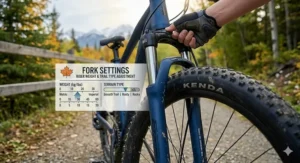
Mountain bikes typically fall into four suspension categories: rigid (no suspension), hardtail (front suspension only), soft tail (flex-based rear suspension), and full suspension (front and rear suspension systems). For value youth bikes, you’ll primarily encounter hardtails and occasional dual-suspension models.
Front suspension forks in the $250-$350 CAD range aren’t race-ready equipment, but they’re not just decorative either. They absorb trail bumps, root crossings, and curb drops that would otherwise jar a rigid bike. The HILAND and JOYSTAR models feature basic spring forks with 50-80mm of travel—enough to smooth out Canadian trail conditions without adding significant maintenance headaches.
Full dual-suspension at budget prices, like the JOYSTAR Contender offers, comes with caveats. The rear suspension mechanism adds weight and complexity. It’s impressive engineering for the price point, but understand it’s designed for moderate trail riding, not downhill racing.
Speed Systems That Make Sense
Single-speed bikes work beautifully for flat terrain and teach kids to modulate speed through pedaling cadence rather than relying on gears. They’re nearly maintenance-free, which Saskatchewan parents appreciate during mud season.
Seven-speed drivetrains hit the sweet spot for most Canadian tweens. The gear range handles neighbourhood riding, moderate hills, and trail exploration without overwhelming riders with choices. Shimano components at this level are reliable and straightforward.
Twenty-one-speed systems appear on premium budget bikes like the Schwinn High Timber. They provide genuine versatility but require more maintenance and add complexity. Consider your child’s mechanical aptitude and your own patience for derailleur adjustments.
Sizing Guide for Canadian Youth Mountain Bikes
Getting the size right matters more than any other purchasing decision. Too small, and your tween will outgrow it in months. Too large, and you’ve created a safety hazard disguised as a bike.
Age vs. Height: What Actually Matters
Bike manufacturers love listing age ranges—”suitable for 7-12 years”—but these are suggestions at best. A tall 8-year-old and a small 12-year-old might need the same bike. Focus on height and inseam measurements instead.
20-Inch Wheel Bikes:
- Height range: 4’0″ to 5’0″ (122-152 cm)
- Inseam: Approximately 22-26 inches (56-66 cm)
- Typical age: 6-10 years
- Examples: JOYSTAR Contender, HILAND Fat Tire, CYBIC 20″
24-Inch Wheel Bikes:
- Height range: 4’7″ to 5’5″ (140-165 cm)
- Inseam: Approximately 26-31 inches (66-79 cm)
- Typical age: 8-14 years
- Examples: HILAND 24″, Schwinn High Timber, JOYSTAR Lubbock
The Standover Test
This simple test prevents most sizing disasters. Have your child stand over the bike’s top tube (the horizontal bar running from seat to handlebars) with both feet flat on the ground. There should be 1-2 inches of clearance for a 20″ bike, 2-3 inches for a 24″ bike. This clearance protects sensitive areas during sudden stops and provides confidence when learning.
Many value bikes feature sloping top tubes that increase standover clearance. The Diamondback Octane excels here, making it ideal for riders at the lower end of the height range.
Price vs. Value Comparison Table
| Price Tier | Features You Get | What You Sacrifice | Best For |
|---|---|---|---|
| $240-$270 CAD | Basic components, steel/iron frames, functional gearing | Weight, premium materials, advanced features | Casual riders, tight budgets |
| $270-$300 CAD | Better components, Shimano drivetrains, improved brakes | Aluminum frames, high-end suspension | Most Canadian families’ sweet spot |
| $300-$380 CAD | Aluminum options, 21-speed systems, disc brakes | Still not race-level equipment | Serious young riders, growth investment |
Safety Features and Canadian Regulations
For children age 16 and under in Ontario, a parent or guardian must ensure they wear an approved helmet, and children are required to wear helmets when riding in child carriers or bicycle trailers. While regulations vary by province, helmet requirements for minors are universal across Canada.
Essential Safety Components
Beyond the legal helmet requirement, value youth mountain bikes should include:
Reflectors: Front, rear, and pedal reflectors are mandatory in most provinces for riding after dusk. The JOYSTAR Lubbock includes comprehensive reflector sets straight from the box.
Braking Systems: V-brakes work adequately when properly maintained. Disc brakes, featured on the HILAND Fat Tire and CYBIC models, provide superior stopping power in Canadian wet weather conditions. They’re worth the premium for year-round riders.
Bell or Horn: Required in many municipalities. Most budget bikes include basic bells, though sound quality varies dramatically. You might consider upgrading to a louder bell if your child rides in traffic.
Teaching Trail Responsibility
Cyclists should ride single file on streets, pass on the left side, and stop at all stop signs and red lights just as cars do. Teaching these fundamentals transforms a tween’s bike from a toy into legitimate transportation.
Start with neighbourhood streets before progressing to trails. Practice hand signals in empty parking lots. Create scenarios where they must predict driver behavior. The investment in skills training pays dividends in confidence and safety.
Maintenance Made Simple for Canadian Climate
Canadian weather creates unique maintenance challenges. Spring’s salt residue from winter roads corrodes chains. Summer dust infiltrates bearings. Fall rain washes grit into every moving part. Here’s how to keep value bikes performing through all four seasons.
Monthly Quick Checks
Chain Lubrication: After wet rides or monthly during dry seasons, apply bike-specific lubricant to the chain. Wipe off excess—too much lube attracts dirt that accelerates wear.
Tire Pressure: Maintain proper PSI (listed on tire sidewalls). Under-inflated tires increase rolling resistance and risk pinch flats. Check weekly during regular riding season.
Brake Inspection: Squeeze brake levers. They should engage halfway through travel and bring the bike to a complete stop within 10 feet when riding slowly. If they don’t, adjustment or replacement is needed.
Seasonal Deep Maintenance
Spring Wake-Up (After Winter Storage):
- Full cleaning with mild soap and water
- Chain lubrication
- Brake cable tensioning
- Tire pressure check and inflation
Fall Preparation (Before Winter Storage):
- Thorough cleaning to remove dirt and salt
- Heavy chain lubrication to prevent rust
- Indoor storage in dry location
- Consider removing seat to allow moisture escape
Where to Buy Value Youth Mountain Bikes in Canada
Amazon.ca: The New Normal
Amazon.ca has fundamentally changed youth bike shopping in Canada. Free shipping with Prime reaches remote communities that lack local bike shops. Return policies, while not perfect, exceed most brick-and-mortar stores. Customer reviews provide genuine insights into real-world performance.
Watch for Prime Day (July) and Black Friday (November) deals. Discounts often reach 20-30% on already reasonable prices. Sign up for price alerts on specific models using tools like CamelCamelCamel.
Local Bike Shops: When to Pay More
Specialized bike shops rarely stock value-priced youth bikes—their overhead requires higher margins. However, they excel at assembly, fitting, and ongoing service. Consider this hybrid approach: buy online, pay your local shop $50-75 for professional assembly and fitting. You’ll get the value pricing with expert setup.
Some shops offer seasonal trade-in programs. Your child’s outgrown bike becomes store credit toward the next size up. This offsets new purchase costs while keeping usable bikes in circulation.
Seasonal Buying Strategies
Best Time to Buy: September through November, after summer demand drops but before Christmas shopping begins. Inventory is high, prices competitive, and selection excellent.
Worst Time to Buy: March through May, when Canadian families emerge from winter ready to ride. Demand spikes, popular sizes sell out, and discounts disappear.
Watch Exchange Rates: Many Amazon.ca bikes ship from US warehouses. When the Canadian dollar weakens, prices rise. If you’re planning ahead, favorable exchange rates can save $30-50 CAD.
Real Canadian Parent Reviews and Feedback
From Toronto, Ontario: “We bought the HILAND 24″ for our 11-year-old son in spring 2025. Thirteen months later, it’s survived daily rides to school, weekend Don Valley trails, and one impressive crash that scratched the paint but didn’t bend anything. Best $270 we’ve spent on kids’ gear.” — Mark T.
From Vancouver, BC: “The JOYSTAR Contender handles our wet winters surprisingly well. Disc brakes were non-negotiable for us after a scary moment with our older son’s V-brake bike in the rain. Worth every penny of the premium.” — Jennifer L.
From Edmonton, Alberta: “We went with the Schwinn High Timber for our daughter who wants to mountain bike seriously. The 21 speeds seemed excessive, but she uses them all now on river valley trails. Already talking about upgrading to an adult bike when she outgrows this one.” — Robert K.
From Montreal, Quebec: “HILAND Fat Tire was perfect for our adventure-loving 9-year-old. Those wide tires go places regular bikes can’t—snow, mud, riverside paths. Only downside is lifting it into our apartment!” — Marie D.
Benefits vs. Traditional Alternatives Table
| Feature | Value Mountain Bike | Department Store Bike | Premium Youth MTB |
|---|---|---|---|
| Price (CAD) | $240-$380 | $150-$250 | $500-$1,200 |
| Frame Quality | Steel or aluminum, proper geometry | Heavy steel, poor geometry | Lightweight aluminum or carbon |
| Components | Shimano or equivalent | Generic, unreliable | High-end Shimano/SRAM |
| Lifespan | 2-4 years active use | 1-2 years casual use | 4+ years, resale value |
| Trail Capability | Moderate trails, bike paths | Pavement only | Advanced trails, racing |
| Canadian Weather | Handles 3 seasons well | Struggles in conditions | Built for all conditions |
Making Your Final Decision
You’ve absorbed the specs, compared the prices, and read the reviews. Now comes decision time. Here’s my framework for choosing the right value youth mountain bike for your Canadian tween.
Priority Matrix
If Budget is Paramount: CYBIC 20″ ($240-$275 CAD) delivers 21 speeds and disc brakes at the lowest price point. Accept the weight penalty, budget for eventual upgrades.
If Ease of Use Matters Most: Diamondback Octane 24 ($280-$300 CAD) eliminates gearing complexity with its single-speed design. Perfect for mechanically disinclined families.
If Year-Round Riding is the Goal: HILAND Fat Tire 20″ ($290-$330 CAD) conquers Canadian weather with those beefy tires and disc brakes. Winter-proof engineering.
If Growing Room is Critical: Schwinn High Timber 24 ($320-$380 CAD) offers 21 speeds and quality construction that keeps pace as skills develop. Best longevity investment.
For Most Canadian Families: HILAND 24″ ($250-$290 CAD) or JOYSTAR Lubbock 24″ ($260-$295 CAD) deliver the best overall value. Proper components, appropriate features, reasonable pricing.
Frequently Asked Questions
❓ What is the ideal wheel size for a 10-year-old getting their first value youth mountain bike in Canada?
❓ How much should I expect to spend on a quality entry level trail bike for tweens available on Amazon.ca?
❓ Are 7-speed or 21-speed drivetrains better for beginner mountain bike tweens in Canadian terrain?
❓ Do affordable kids mountain bikes require assembly, and is professional setup worth it in Canada?
❓ What safety features are mandatory for youth mountain biking in Canada beyond helmets?
Conclusion: Your Next Steps
The perfect value youth mountain bike for your Canadian tween exists somewhere in this guide. Whether it’s the budget-friendly CYBIC, the weather-conquering HILAND Fat Tire, or the versatile JOYSTAR Contender, you now have the knowledge to make an informed choice.
Remember that the “best” bike isn’t the one with the most features or the lowest price—it’s the one your child will actually ride. A slightly more expensive bike that gets used daily outperforms a bargain that sits in the garage. Talk with your tween about where they want to ride, what appeals to them aesthetically, and how committed they are to the activity.
Take advantage of Canada’s excellent cycling infrastructure. Many provinces offer free bike safety courses through schools and community centres. Apps like Trailforks map mountain biking trails across Canada, from Vancouver Island to Nova Scotia. The investment you’re making today could spark a lifelong passion.
Before you click “Add to Cart” on Amazon.ca, double-check the sizing guides, read recent Canadian reviews, and verify the return policy. Most of these bikes ship Prime-eligible with free returns within 30 days. There’s little risk in trying.
Your tween’s next adventure starts with rolling down the driveway on their new mountain bike. Choose wisely, maintain regularly, and watch them discover the freedom that only two wheels can provide.
✨ Ready to Get Started?
🚴♂️ Browse the highlighted bikes in this article on Amazon.ca to see current prices, read more Canadian reviews, and check delivery times to your region. Remember that spring inventory arrives in March, so early shopping ensures the best selection. Happy trails!
Recommended for You
- 7 Best 24 Inch vs 26 Inch Bike for 12 Year Old in Canada 2026
- 7 Best Mountain Bikes for 10 Year Olds Canada 2026
- 7 Best Kids Sled for Canadian Winter 2026
Disclaimer: This article contains affiliate links to Amazon.ca. If you purchase products through these links, we may earn a small commission at no additional cost to you.
✨ Found this helpful? Share it with your friends! 💬🤗
